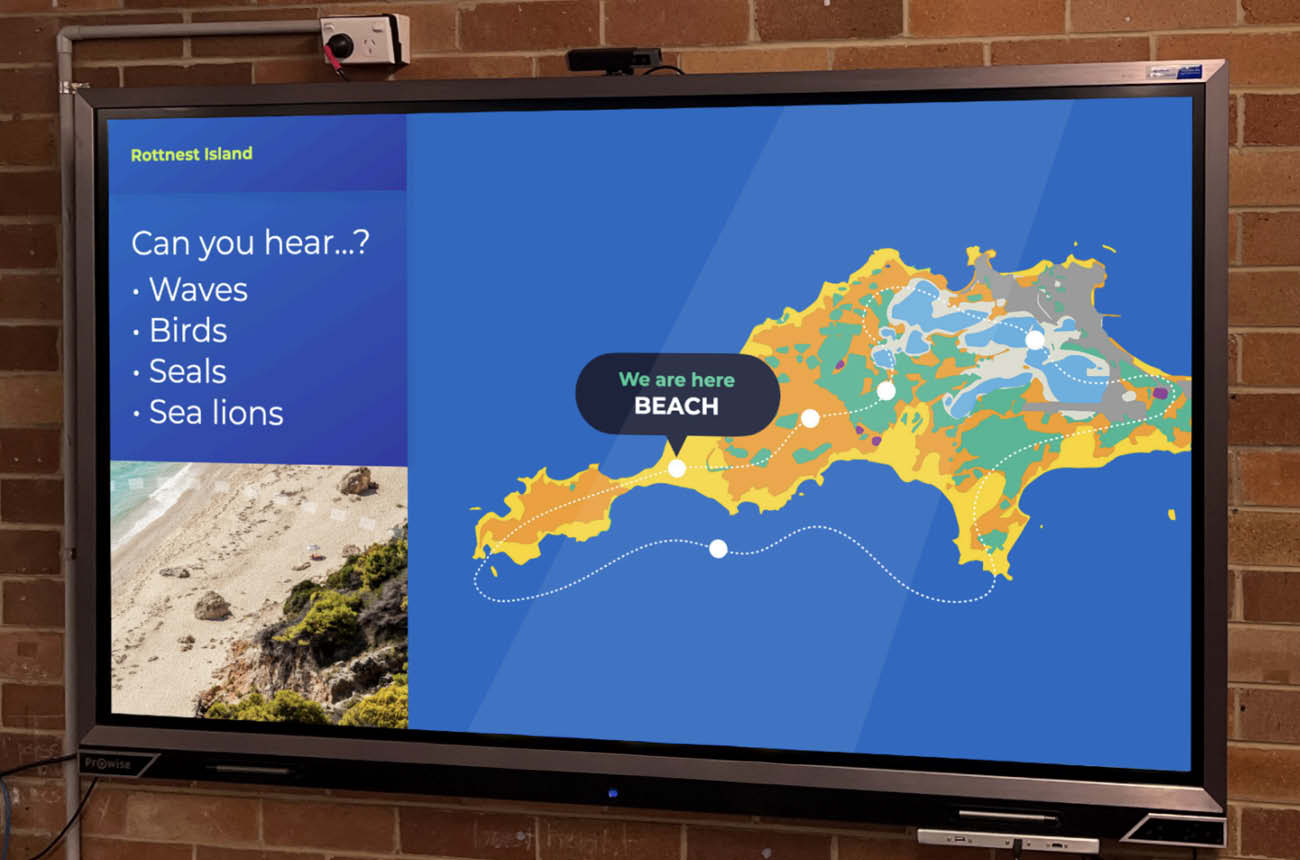
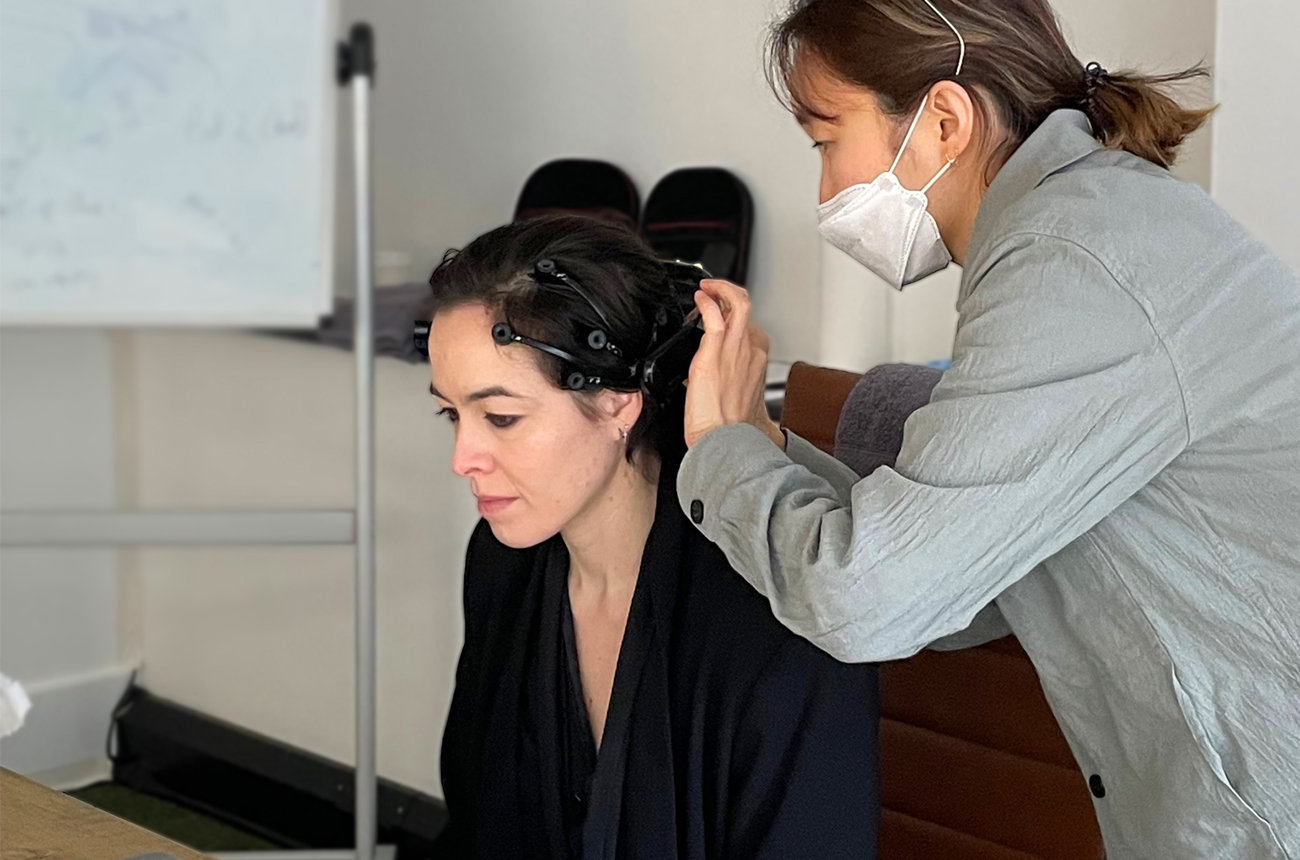
Constant challenges with noise and acoustic comfort make it difficult for students to sustain attention and engage deeply.
Many neurodivergent children face significant sensory barriers in school buildings. Most learning environments are designed around a single sensory norm.
Busy buildings often lack calm, restorative spaces where students and staff can recover from sustained cognitive and sensory load.
Increasing levels of stress and mental fatigue are placing high demands on education environments to perform better.

Moodsonic's soundscaping options support productivity across learning environments – not only for focused work, but also in creativity, problem-solving and collaboration – helping students work better and be inspired.
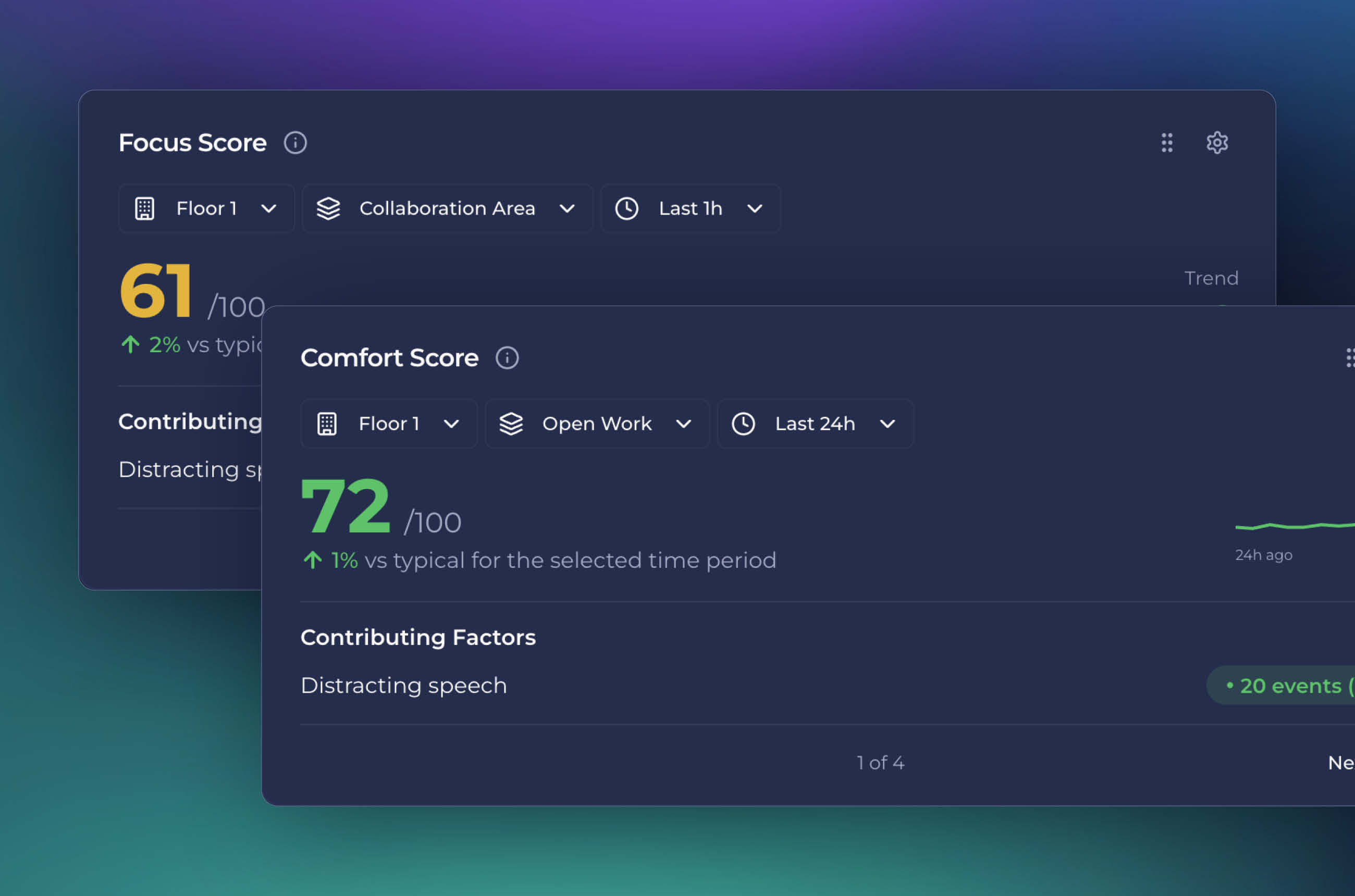
By curating spaces with distinct sensory characteristics, Moodsonic can support diverse needs, creating spaces where more children feel safe and happy.

Research-based, biophilic soundscapes introduce natural sensory cues into learning environments, helping reduce stress and support emotional regulation throughout the school day for staff and pupils.
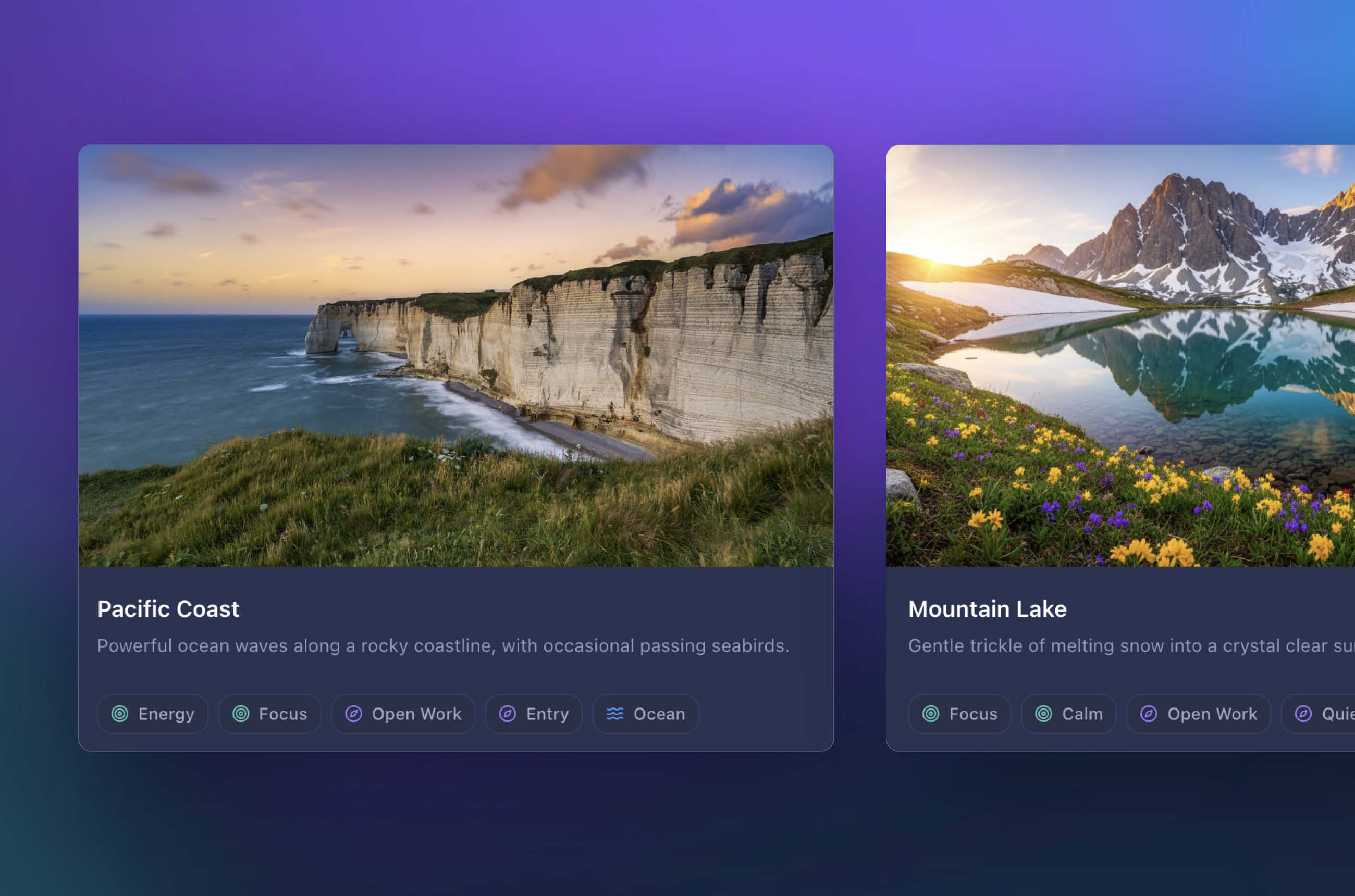
Moodsonic gives teachers a simple way to actively shape the learning environment — using sound to regain attention, support transitions, or help students reset at key moments in the day.
Moodsonic's platform includes tools for control and engagement in schools.