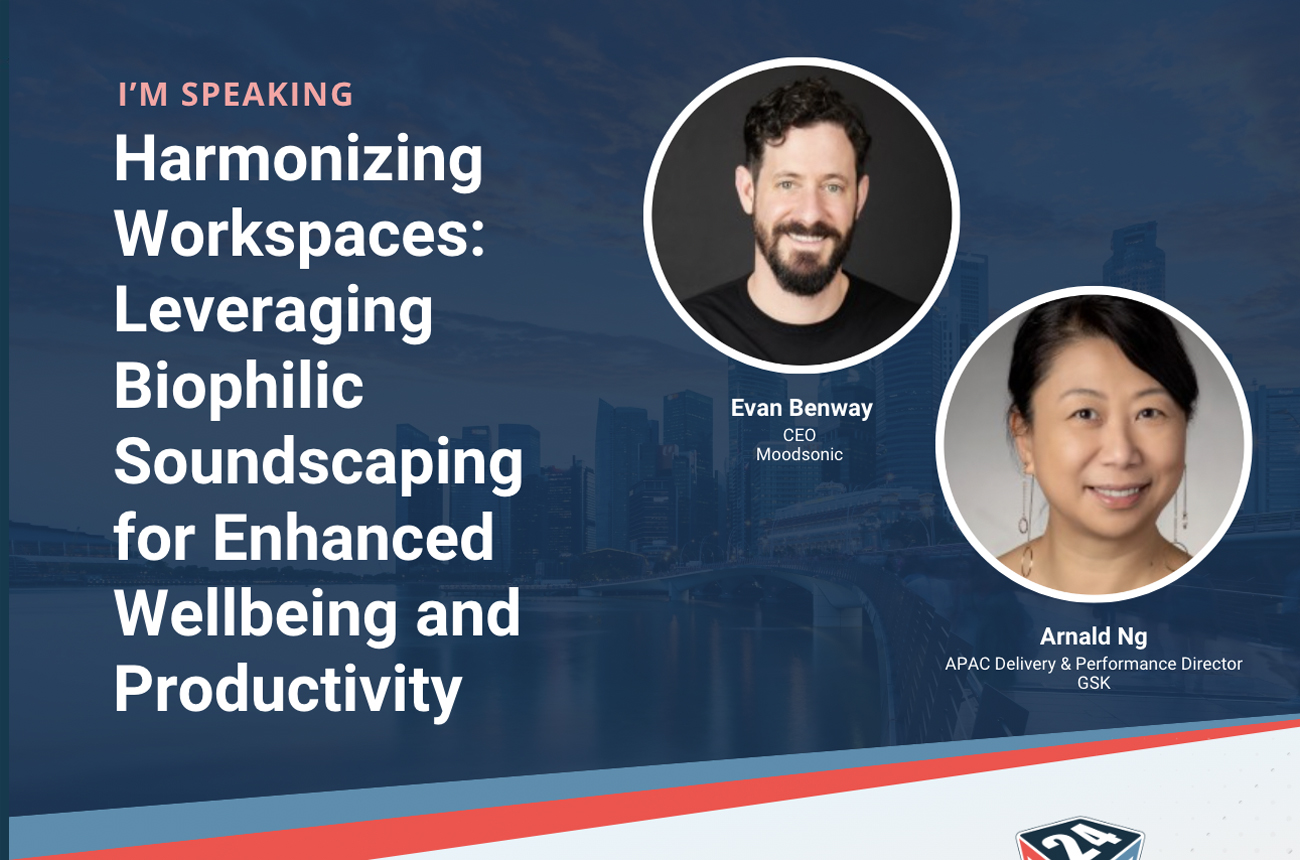
In the evolving landscape of workplace design, sound plays a pivotal yet often overlooked role. Historically perceived as a negative element, our presentation aims to redefine sound as a positive, transformative force in work environments. Anchored in the innovative concept of 'Biophilic Soundscaping', we'll explore how strategic sound design can significantly enhance wellbeing and cognitive performance, leading to more engaging and welcoming spaces.


Picture the scene: The sun is shining on a tranquil beach. The waves are lapping against the shore. People are happy and relaxed. Now, in your mind, layer that image with the ominous soundtrack from the movie Jaws. The serene beach, suddenly juxtaposed with those unsettling notes: Daa-dun. Daa-dun. Daa-dun. Daa-dun…The memories and emotions associated with this sound only take a split second to flip our perceptions of this scene on its head.

We connected with Moodsonic, winners in the Return to Office category of the 2022 Next Work Environment Competition, to see where their project has taken them!Moodsonic worked with Elevance Health to implement a sensory, experiential return to office strategy. Aimed at the pervasive problem of sound in the workplace, the project gave employees control to offer quality experiences that surpass work from home.
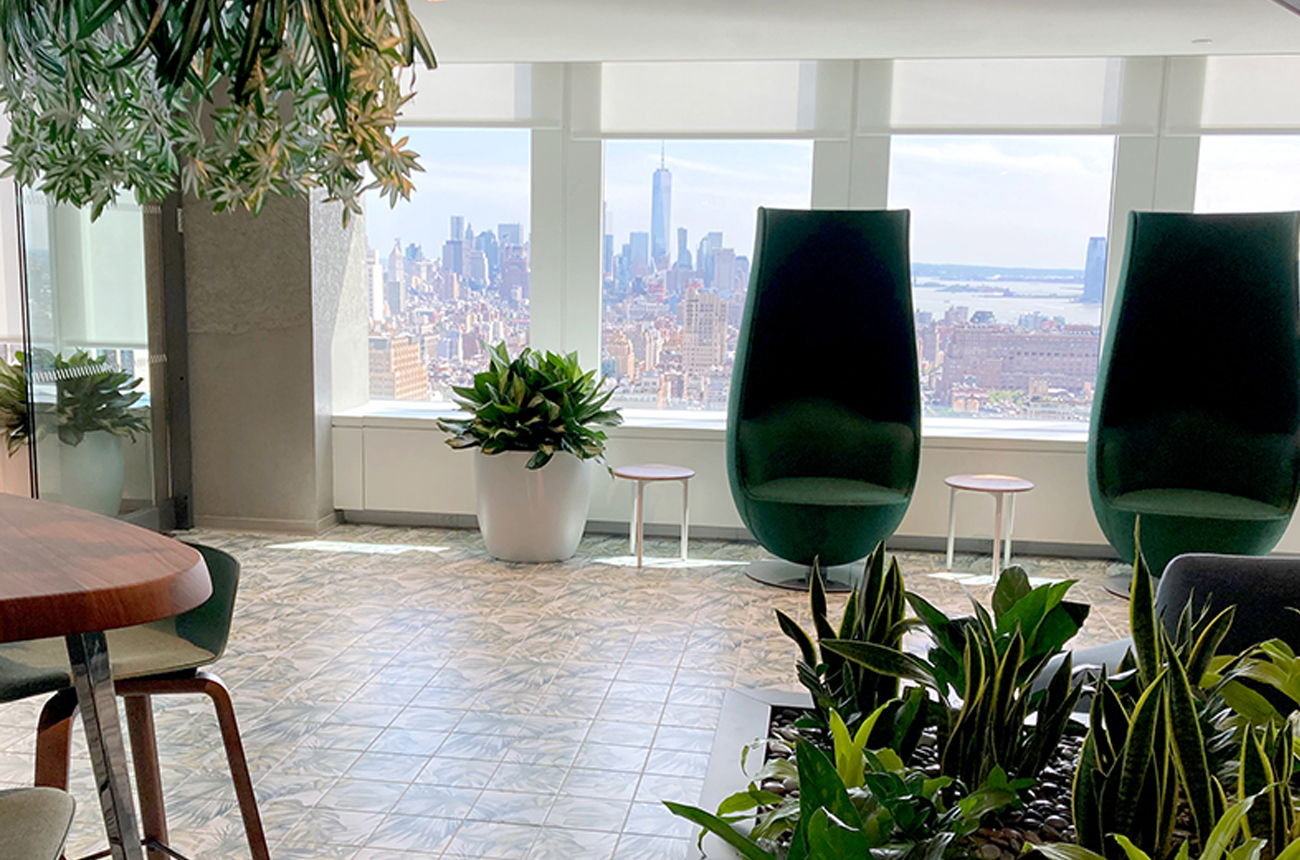
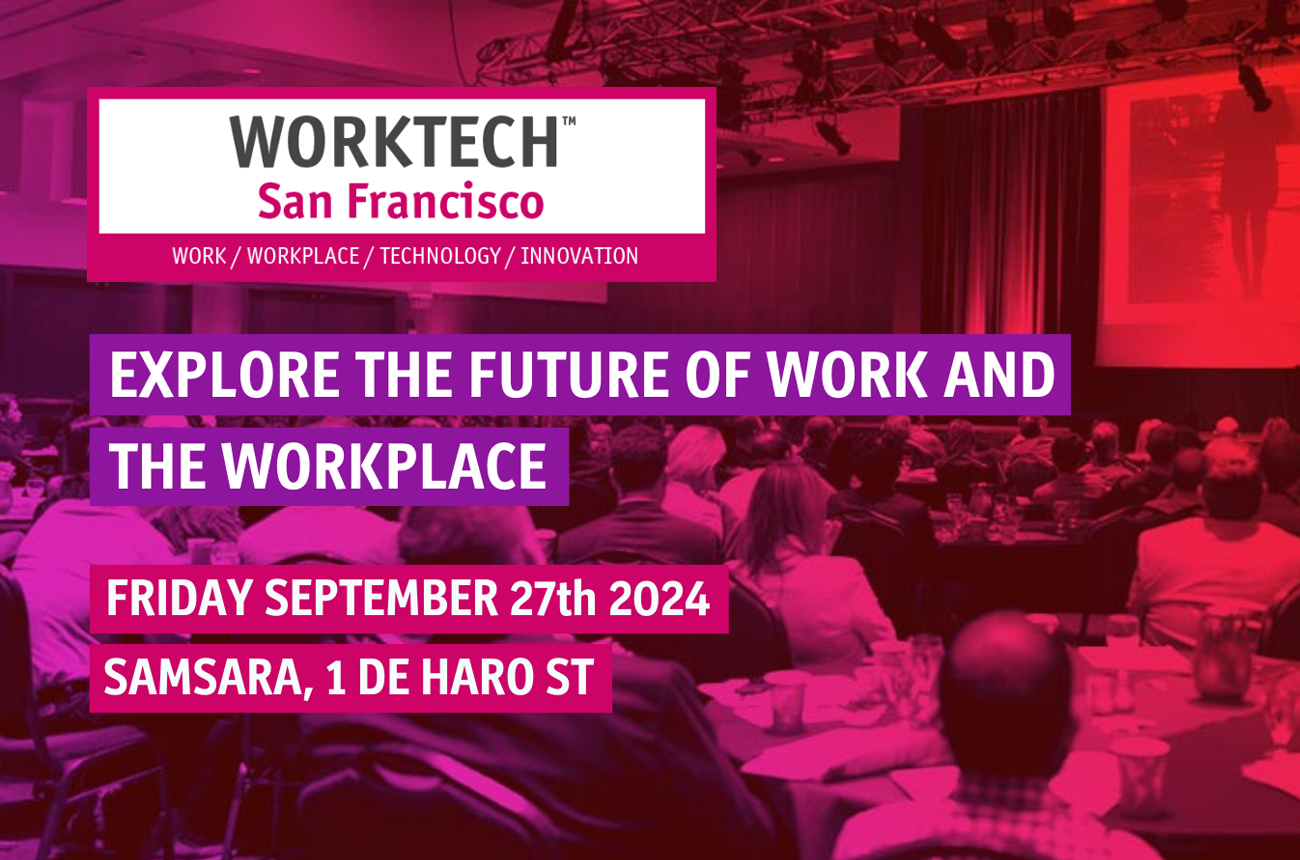
Moodsonic's Director of Product, Jeff Larson, is speaking at WORKTECH's San Francisco conference about the future of work. Join Jeff as he discusses the role of sound in enhancing workplace productivity, wellbeing and user experience. Uncover why noise is a top distraction, how scientifically-designed soundscapes outperform silence, and the importance of creating tailored auditory experiences that support diverse employee needs.
Next time you’re in an office, take a look around you. Chances are, almost everything you see was designed to look that way. Someone has taken the time to consider the colour of the walls, the door handles, the furniture, the lighting…Now think about the sounds you typically hear in the space. If you’re lucky, you might hear birds singing outside or a pleasant babble of background activity. But for most people, the sound in their workplaces is a stress-inducing mix of man-made noise like air-conditioning, traffic, and construction, punctuated by other people’s conversations and endless notifications. It’s accidental, undesigned, and unhealthy.

Most offices have a sound problem... but that’s probably not news to you. Sound has been the number one complaint about workplaces for many years. For many employees, working from home has highlighted just how poorly offices function in this respect. So why hasn't anything been done?

Sound and scent strategies can elevate people’s experiences and help create high-performance buildings. Moodsonic partner Marcus Rose will be speaking at this CoreNet Global event in Sydney about sensory design and the technology that can make it happen.
Soundscaping and generative technology can transform workplace in the Middle EastCreating work environments that attract employees means rethinking how these spaces look. A modern office should be a place that invites people to be comfortable and at their creative best.

In recent years, the world’s media been awash with Covid-19 coverage. So it’s not surprising that, as well as the obvious health and economic impacts, the pandemic is having a profound effect on our psychology: over a third of Americans report that coronavirus is seriously impacting on mental health. At a time when wellbeing has never been more important, it’s also becoming increasingly hard to preserve our mental health.

Receive monthly updates to your inbox.