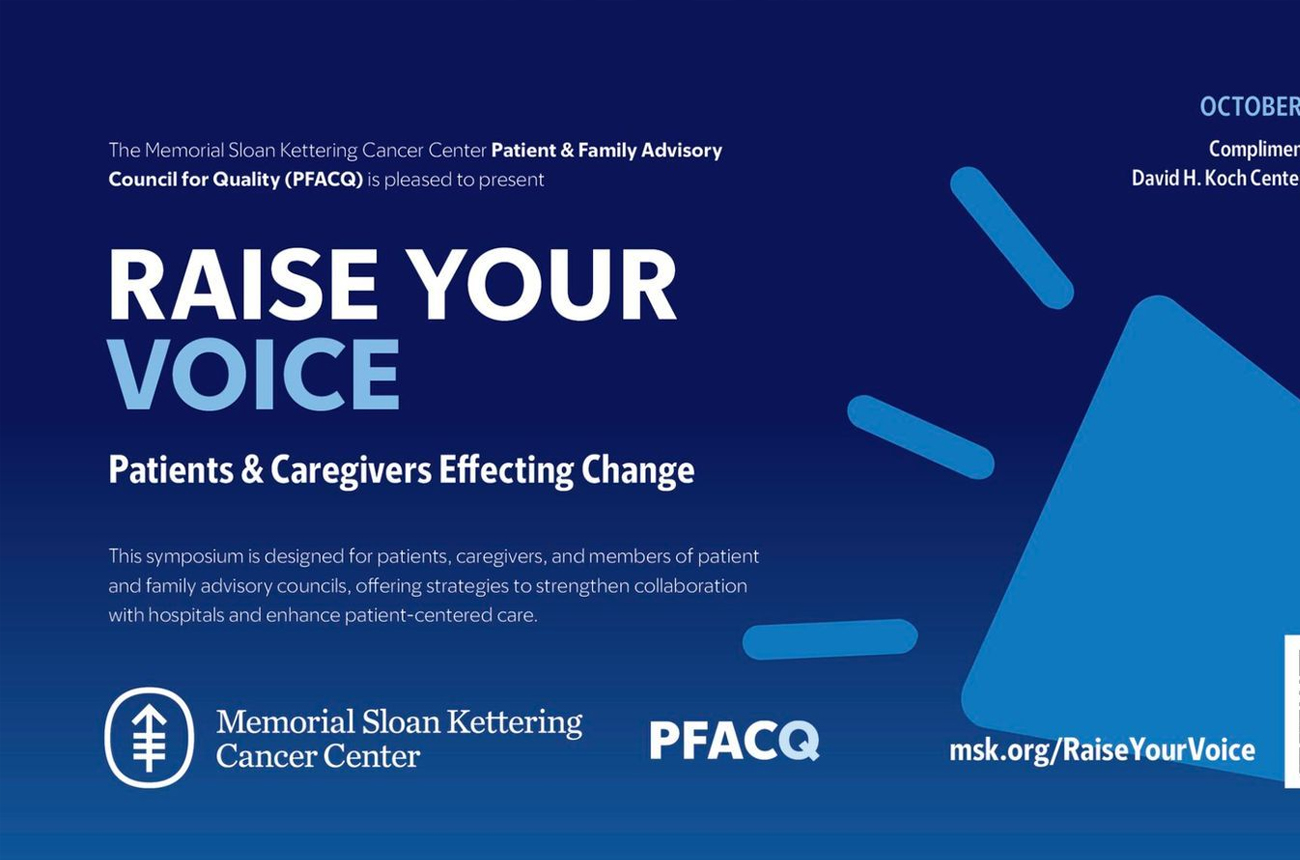
We’re proud to be part of an incredible event this week exploring the future of sound in healthcare. The Raise Your Voice symposium is designed for patients, caregivers, and members of patient and family advisory councils, offering strategies to strengthen collaboration with hospitals and enhanced patient-centered care.


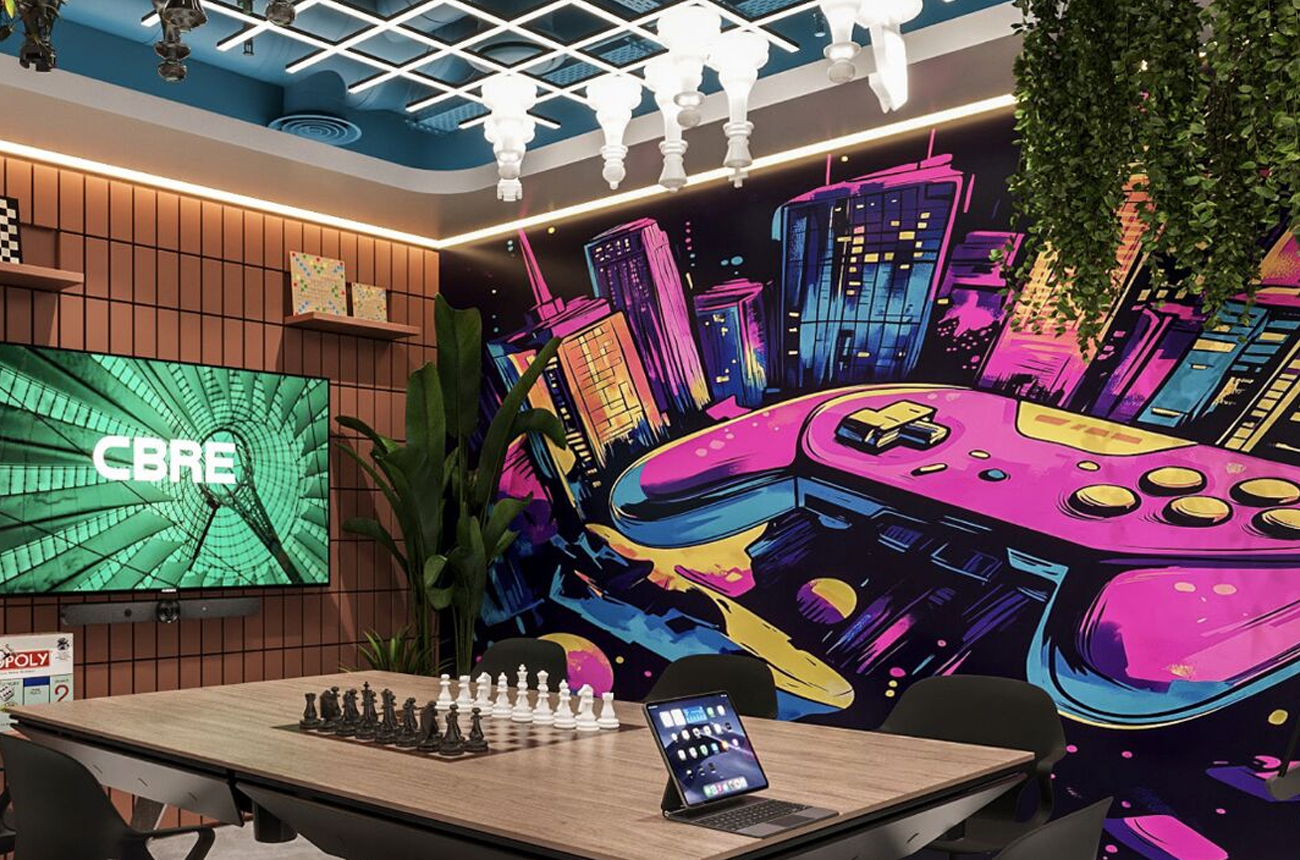
What if your workplace could sense how people are using it and adapt automatically to support them? At CBRE's new Singapore office, sound, data and technology are coming together to create spaces that flex around people’s needs. And Inavate’s latest issue gives insights into exactly how they’re doing it...
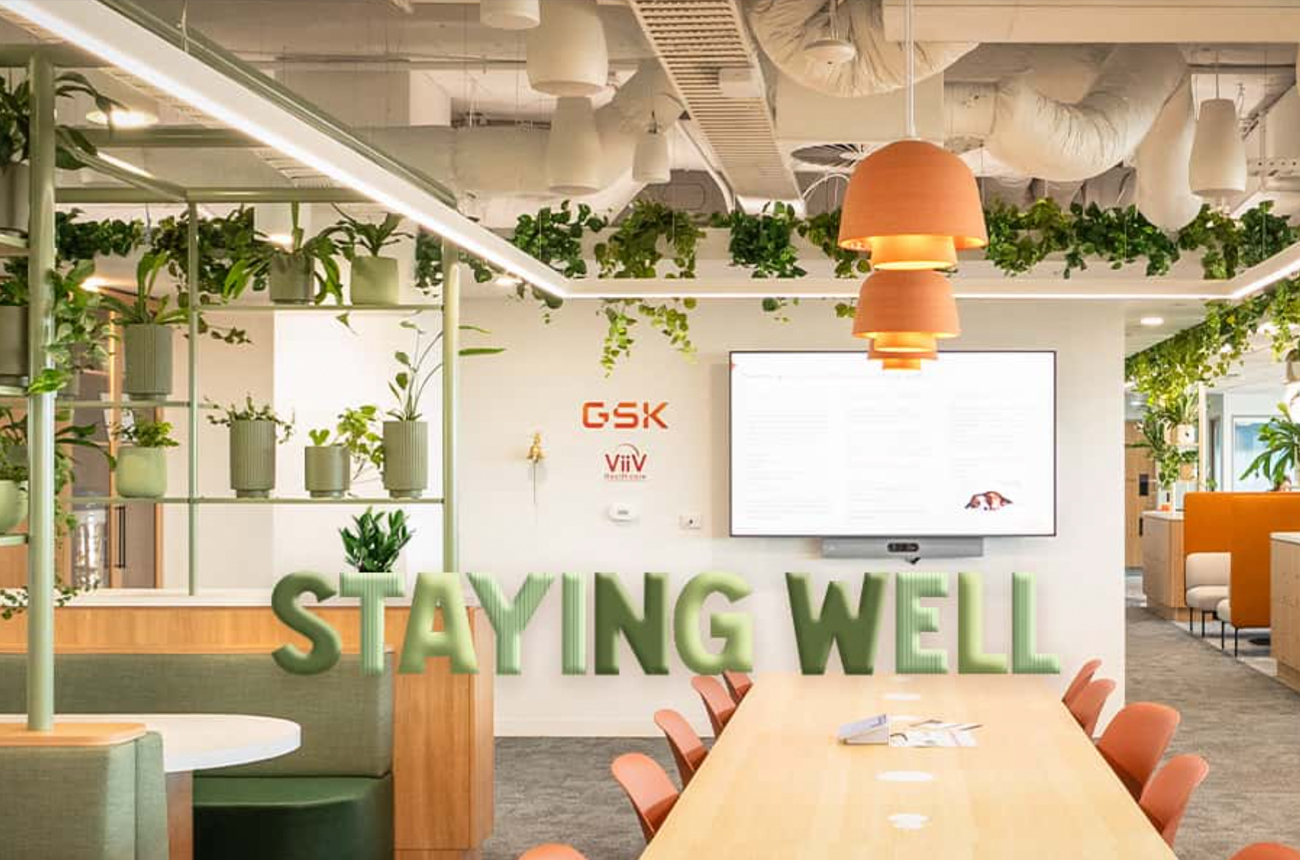
The IWBI's new special report, Investing in Health Pays Back, demonstrates that investing in people is good business. It quantifies how wellbeing translates into measurable returns, from air quality and light to thermal comfort and biophilia. Sound has long been recognised in WELL as one of its core concepts. But in this latest report, it takes on a more dynamic role – not just as something to control, but as something to design with.

GSK (GlaxoSmithKline) has achieved a Platinum WELL Certification for its Melbourne headquarters, the highest level of recognition from the International WELL Building Institute (IWBI). Going ‘Platinum’ requires advanced initiatives in air and water quality, circadian lighting, biophilic design, and inclusive design that supports neurodiverse staff.One of the standout measures in this project was the deployment of Moodsonic generative soundscaping, represented exclusively in Australia by Valeo Technology.
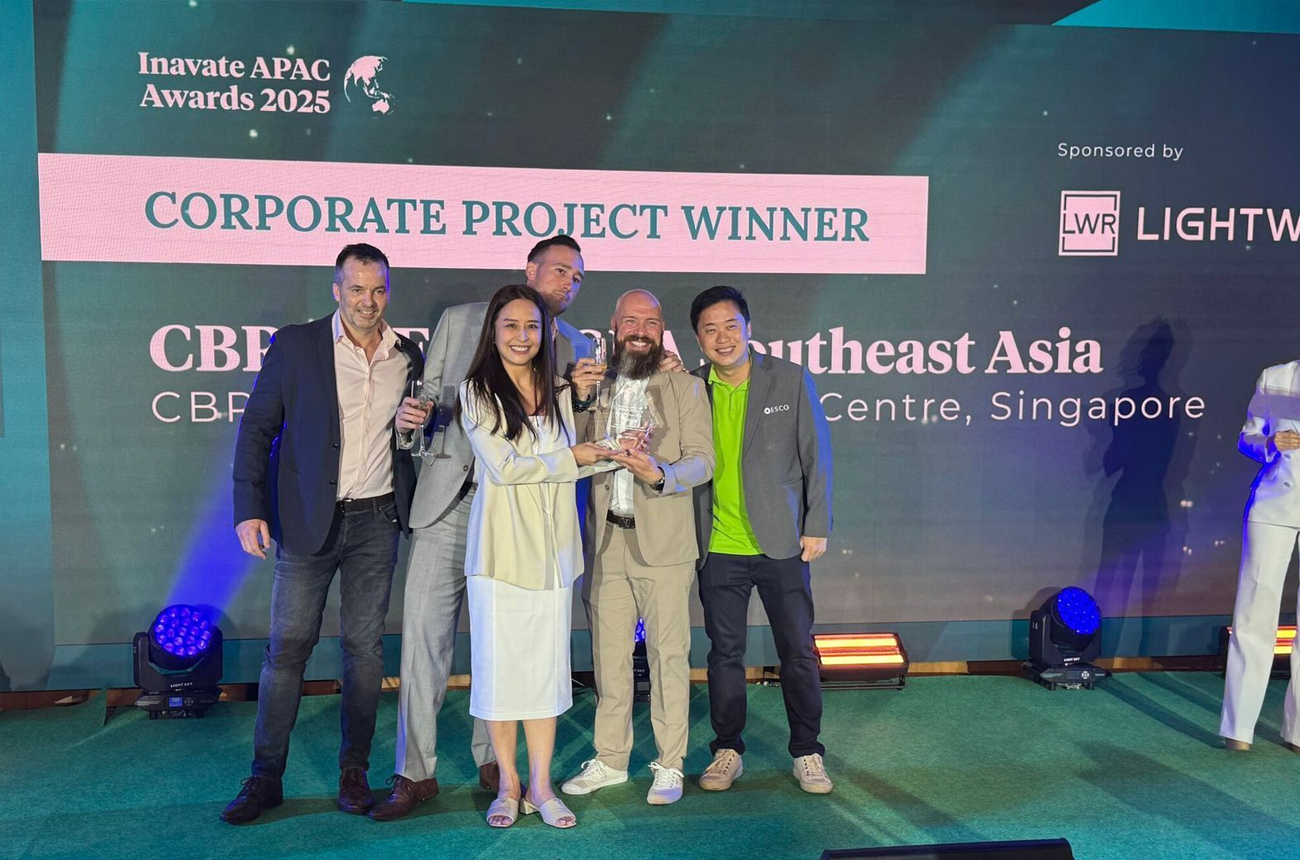
Two Moodsonic projects were recognized at this year’s Inavate APAC Awards, which celebrate the region’s most innovative audio-visual installations.CBRE Singapore’s Marina Bay Financial Centre won Best Corporate Project, while Sheldon Interiors’ Sydney HQ was a finalist for Best Experience Centre.
A new peer-reviewed study in Nature has revealed a significant link between building standards and how people feel in their environments. The research shows that occupants of WELL-certified buildings are 39% more likely to be satisfied with their experience than those in LEED-certified buildings. Both certifications aim to improve building performance, but only one puts human wellbeing at the forefront.The WELL Building Standard focuses on how buildings impact people. And according to this research, that focus makes a difference in human experience.

Sound is architecture we can’t see. It defines spaces and influences behavior as much as light, material, or layout – shaping how we feel, think, and function.Sound may also be the most elusive element in biophilic design, especially in urban environments. Opening a window might let in some birdsong, but it brings with it traffic, construction, and other pollutive noise. Closed windows trap us with the hiss of ventilation or the drone of machinery, devoid of any nature.

Moodsonic, the global leader in generative soundscaping, and Bluesound Professional, a pioneer in networked audio solutions and part of the Lenbrook Group of companies, today announced a strategic partnership to accelerate the global adoption of responsive, intelligent soundscaping across the built environment.

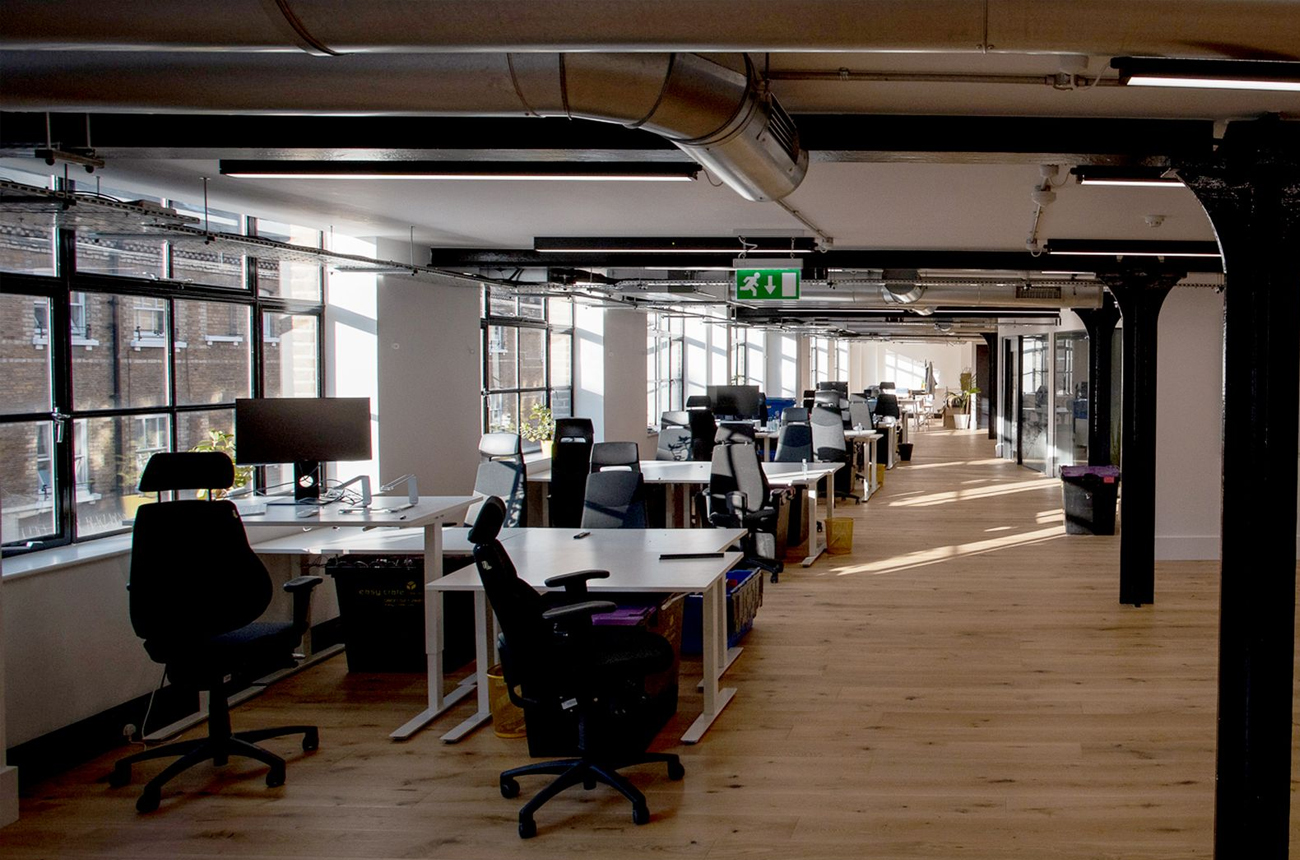
Most offices have a problem with noise. Noise has been a major complaint in workplaces for decades. It affects privacy, distraction and wellbeing. Working from home has only highlighted just how poorly offices function in this regard. Often, employees are able to focus better at home than in the building that’s actually designed for them to work in.Workplace soundscapes are a relatively new concept. Historical approaches to office sound have tended to focus on eliminating sound from offices. But this can cause more problems than it solves. Spaces can end up being unnaturally quiet and devoid of life. It’s become more of a problem post-Covid, where occupancy is much lower than before.
Receive monthly updates to your inbox.