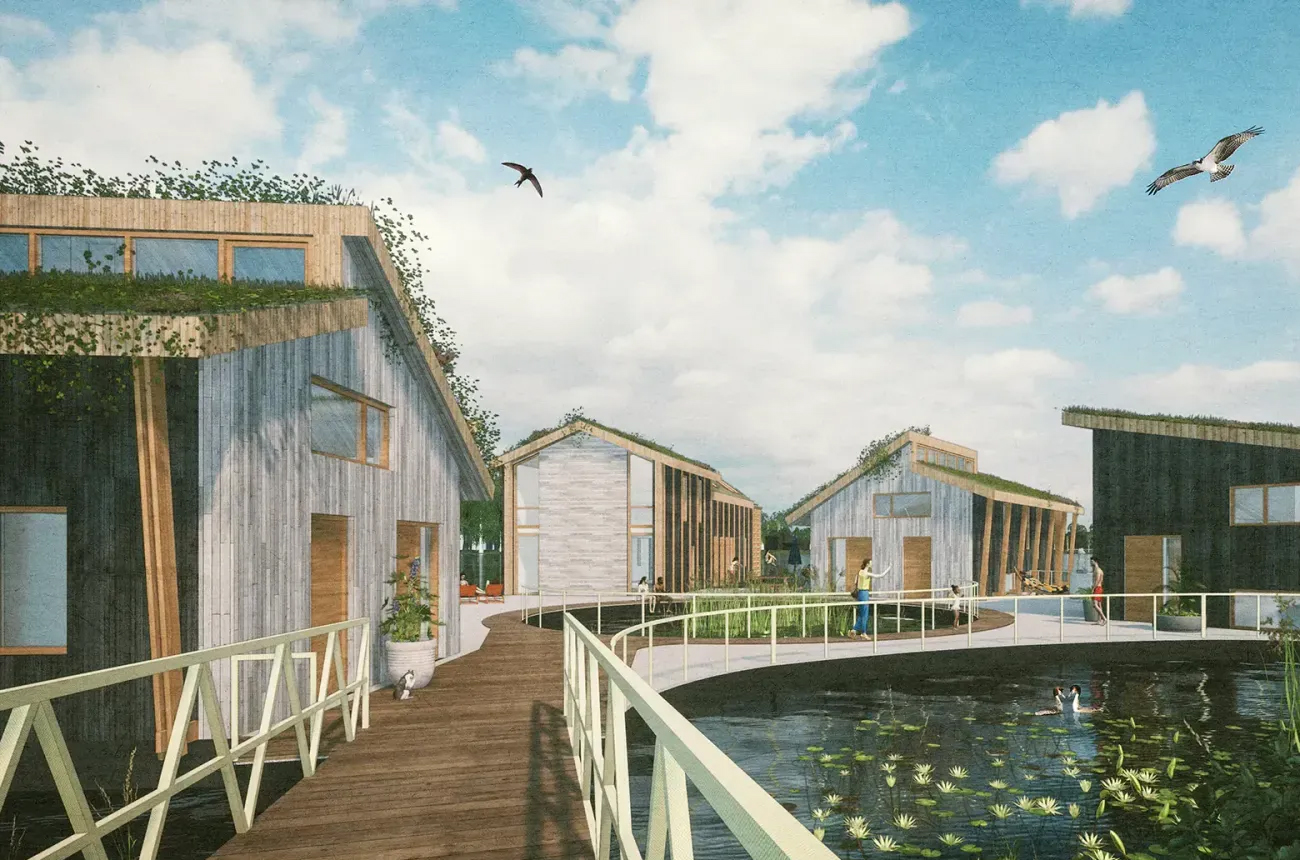
GSK’s new global headquarters set out with the ambitious goal of creating "the world’s healthiest workplace", and we’re proud to have contributed to that. The project recently won Best Smart Building at Integrated Systems Europe (ISE).


In architecture, the sound of a building is usually overshadowed by its visual appearance. It might even be an afterthought. Yet, as researchers learn more about our relationship with sound, the need for “sonic architecture” is becoming more evident. And with smart building technology, it’s become an accessible tool for designers too.
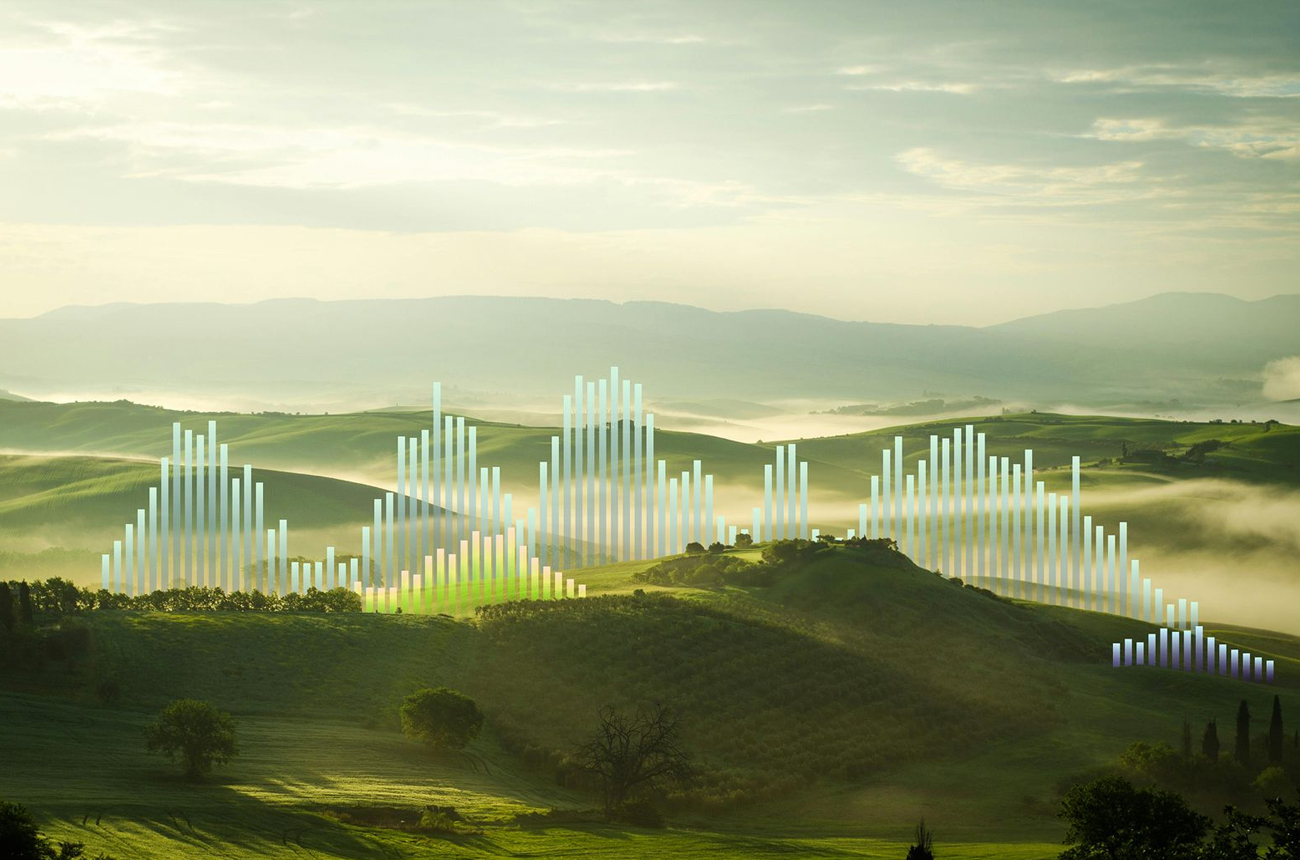
Humans experience a space through each of their five senses. Take, for example, a visit to the beach. If you were to recollect that memory, you would not just think about the visuals but also about the feeling of sand and breeze against your skin, the taste of salt in the air, the smell of tangy humidity, and the sound of waves hitting the shore.
When we think of healthcare design, our minds might immediately focus on efficient layouts, soothing colour schemes or clean lines. But there’s one invisible factor that often gets overlooked in these spaces: sound. Hospitals and healthcare facilities are full of noise. And this noise isn’t inconsequential; it shapes the experience of patients, staff and visitors in profound ways.

There’s something inherently enjoyable about the crashing of waves on a beach, the rhythmic patter of raindrops on leaves, the gurgling of a gentle stream or the rush of a cascading waterfall. The sounds of water are some of the most popular and powerful sounds in the world. But why? And how can we use biophilic design to harness that power to improve people’s health indoors?

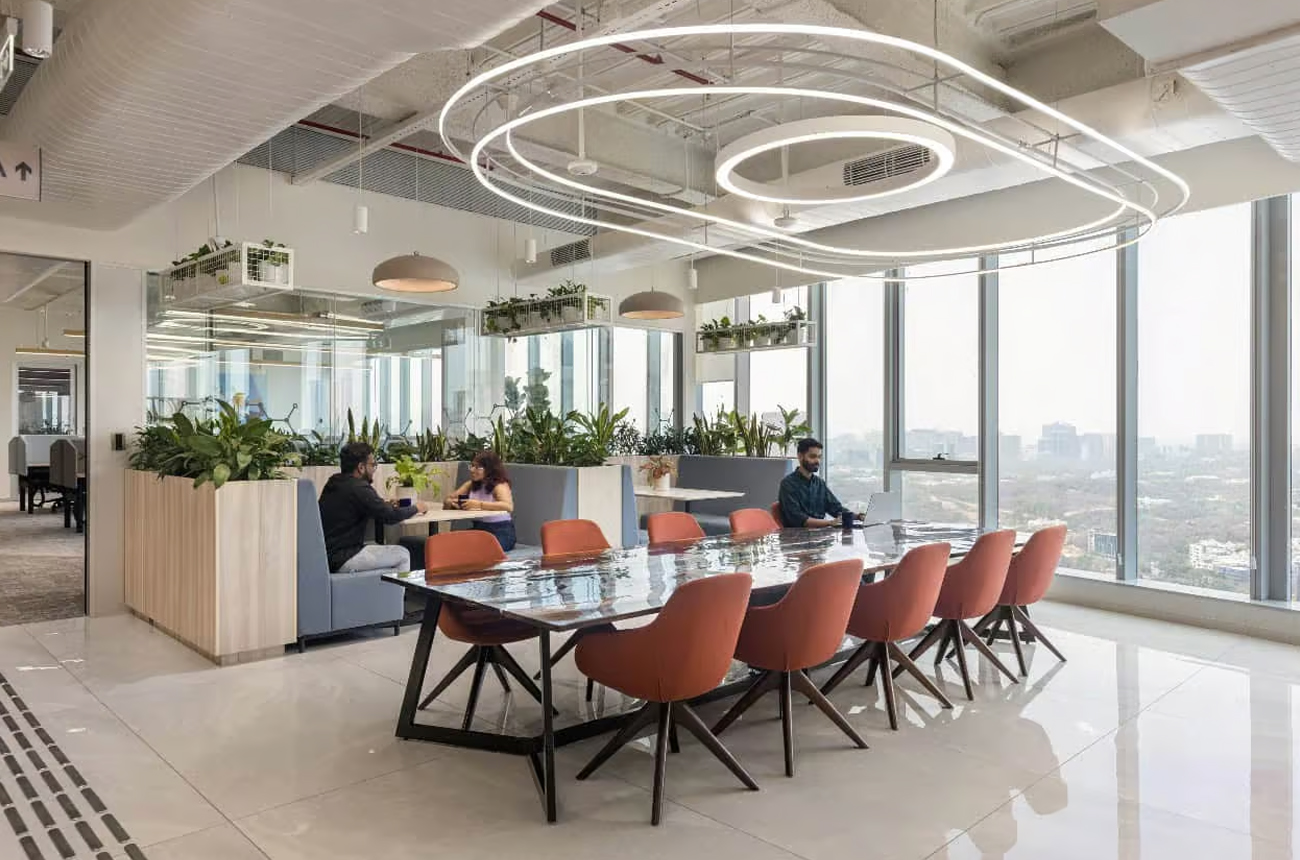
GSK’s newly refurbished Melbourne headquarters has not only met but exceeded its ambitious goals for health and wellbeing. It is now one of only a handful of offices in the city to achieve Platinum WELL Certification, the highest recognition awarded by the International WELL Building Institute.
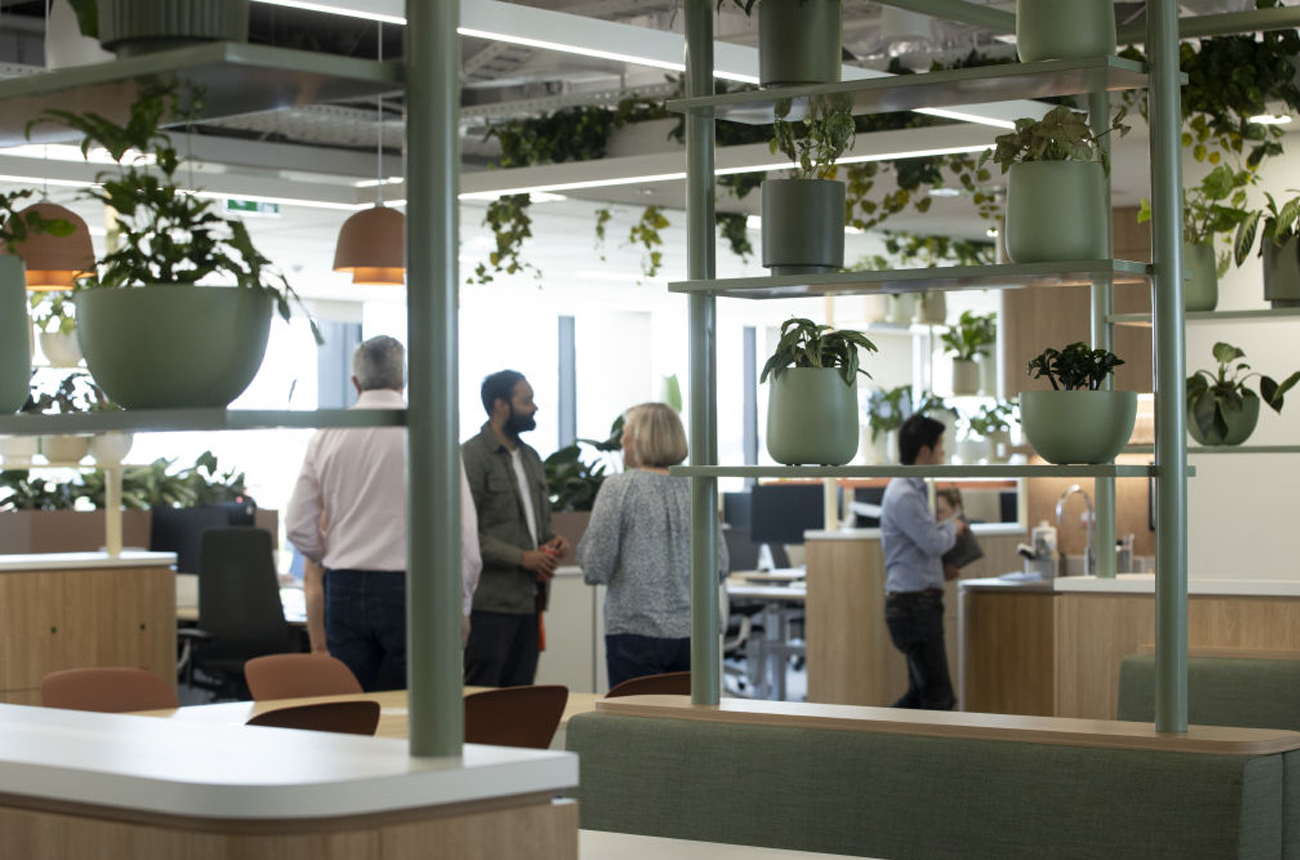
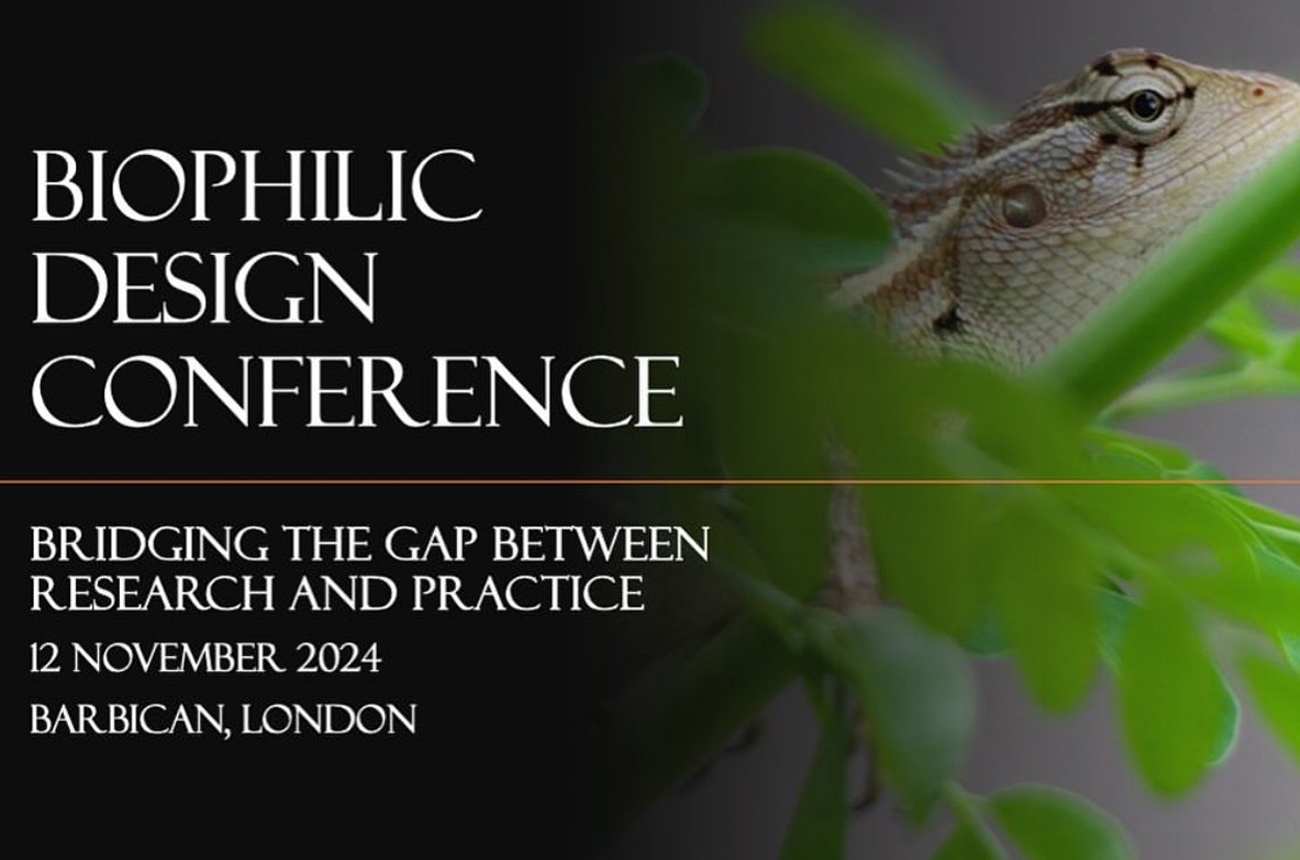
Join us for the first ever Biophilic Design Conference run by the Journal of Biophilic Design at the Barbican London on 12th November 2024. Moodsonic is delighted to be an official partner, and will be soundscaping the conference to create a supportive, biophilic experience throughout the day.
Supporting cultural awareness in the workplace can take many forms, but one powerful approach is to create multi-sensory experiences that connect employees to the local culture. Going beyond visual design to include soundscapes, scents, local art, and tactile elements brings cultural nuances to life in a way that’s immersive and memorable.

Have you ever thought about your own "sonotype"? The way each of us responds to sound is unique, and our needs and reactions can change moment to moment depending on what we're doing. Here are just a few pointers to get you thinking about how sound shapes your own experiences and the experiences of the people around you – particularly in buildings like workplaces and hospitals. We've collated three influences and three questions to help you understand your own sonotype a little better.
Receive monthly updates to your inbox.