
We’ve all recently experienced a hype cycle. The Covid pandemic swept the world, sending us home to work from our bedrooms, spare rooms and kitchen tables. Although the experience of working from home was uneven, a consensus formed: working from home worked. Indeed, for many tasks, including cognitively demanding, focussed effort, the home appeared to work better. In the words of Tim Oldman, CEO of Leesman, whose survey captured over 280,000 responses from employees around the globe: “It doesn’t say much of the average office when a space designed for living can support an employee better than spaces designed specifically for working.” With offices closed and businesses still functioning, pundits and social media feeds thus reached the peak of the hype cycle: “The office is dead!”


Our love of nature, and its subsequent health benefits, is a scientifically established concept known as “biophilia”. Soundscaping systems can bring intelligent audio to the built environment to combat stress and boost feelings of wellness, safety, restoration, and motivation.

Soundscaping allows your building to operate fluidly and make best use of available space. Buildings have become increasingly multipurpose, flexible, and digitally aware. For example, global demand for flexible workspaces increased 50% from 2014-2019.1

Healthcare, hospitality, and corporate real estate are plagued by distracting noise pollution, resulting in billions of dollars lost annually. Biophilic soundscapes are a verified alternative to traditional sound masking. They reduce disruptive noise, improve speech privacy, and have even outperformed traditional masking sounds in terms of speech masking.

Buildings can be too quiet. Speech privacy is a top priority for employees and a legal stipulation in some environments. Biophilic soundscapes can improve speech privacy with equal or greater success to conventional masking, with additional wellbeing benefits.

Real-estate portfolios lose billions of dollars every year through lost productivity, health, sales, and satisfaction due to noise and ineffective audio experiences. Soundscaping can combine human and space centric goals to improve a CRE portfolio’s commercial performance.

Unpleasant background noise damages talent retention by lowering employees’ job satisfaction and commitment, research shows. Biophilic workplace soundscapes masks noise pollution and promotes quality of life and healthy workplace design, which are deciding factors for your prospective employees.

In commercial real estate, creating spaces that foster both performance and well-being is more important than ever. A key factor that's often overlooked in this is the role of sound. Quiet Mark is a global certification program for the built environment sector, committed to improving sonic environments in commercial and residential spaces.

Moodsonic today announced a new collaboration with the MSK Innovation Hub to research nature-based soundscaping for patient recovery in the oncology setting. The goals of the collaboration are to generate new insights into how soundscapes influence the patient experience, develop new practices and technologies, and ultimately improve both patient and hospital staff’s well-being through sound.

Moodsonic are running a 40-minute workshop at IFMA World Workplace Europe alongside Neuro-D's Sarah Tancell – aligning with IFMA's inclusive spaces theme across the event.

“In the next generation of smart workplaces, technology won’t just connect us – it will care for us.”Join Marcus Rose of Valeo Technology, and Simon Long, Senior Director of Client Technology Consulting at CBRE, for an inspiring conversation on the future of workplace experience – “Connected by Design: Sensory Wellbeing in a Smart Workplace.”
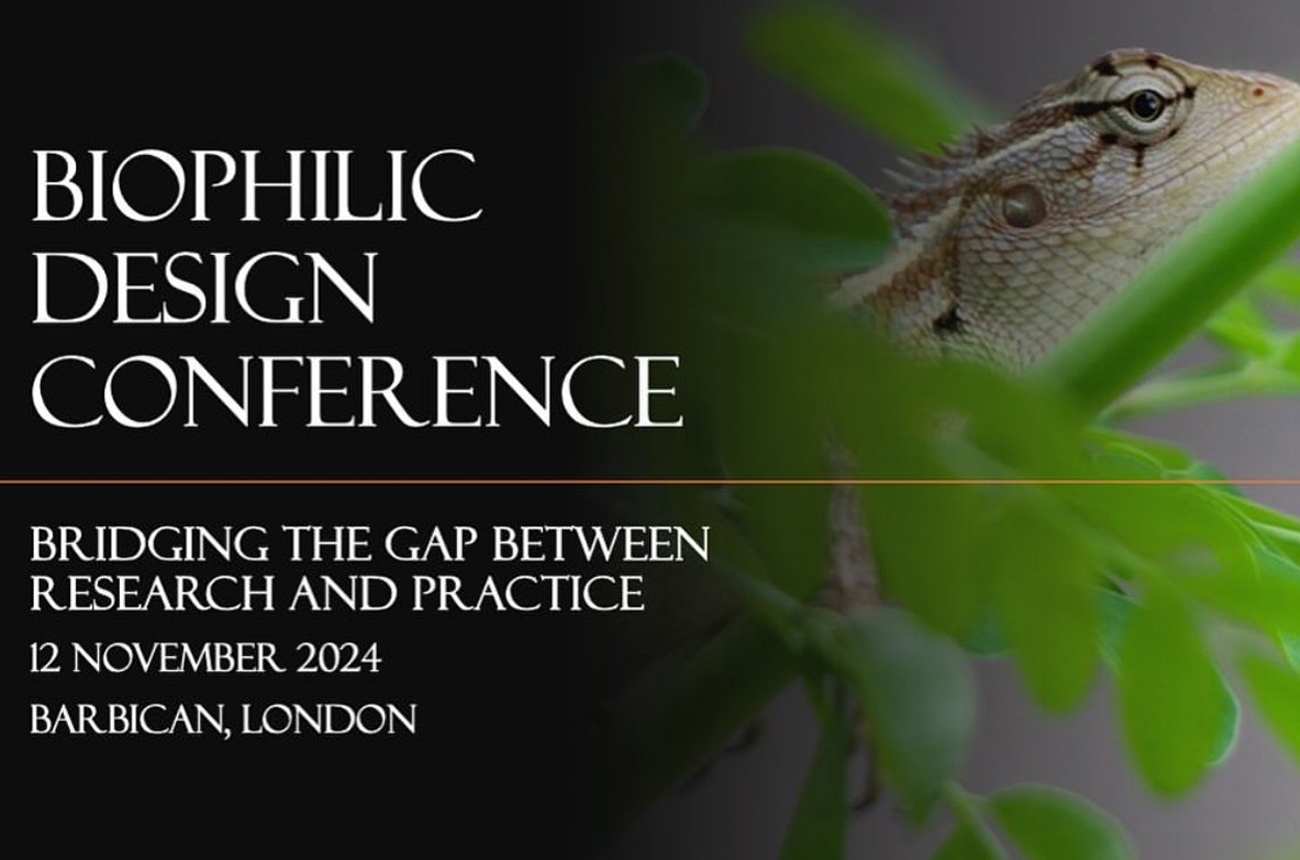
After its debut last year, the Biophilic Design Conference returns, this time to Westminster, London, exploring the themes of Policy, Place & Planet in relation to biophilic design. Set on the doorstep of the UK’s government, it’s a fitting location to discuss how design can influence healthier, more sustainable places and policies, and we’re delighted to be part of it.

Join AKRF and Moodsonic for an event exploring how responsive soundscaping and biophilic design are redefining acoustics and experience in buildings.Living Acoustics introduces an evidence-based approach that treats sound as a dynamic design medium. Discover how adaptive technologies and biophilic acoustical treatments can be integrated into architecture to enhance human experience.

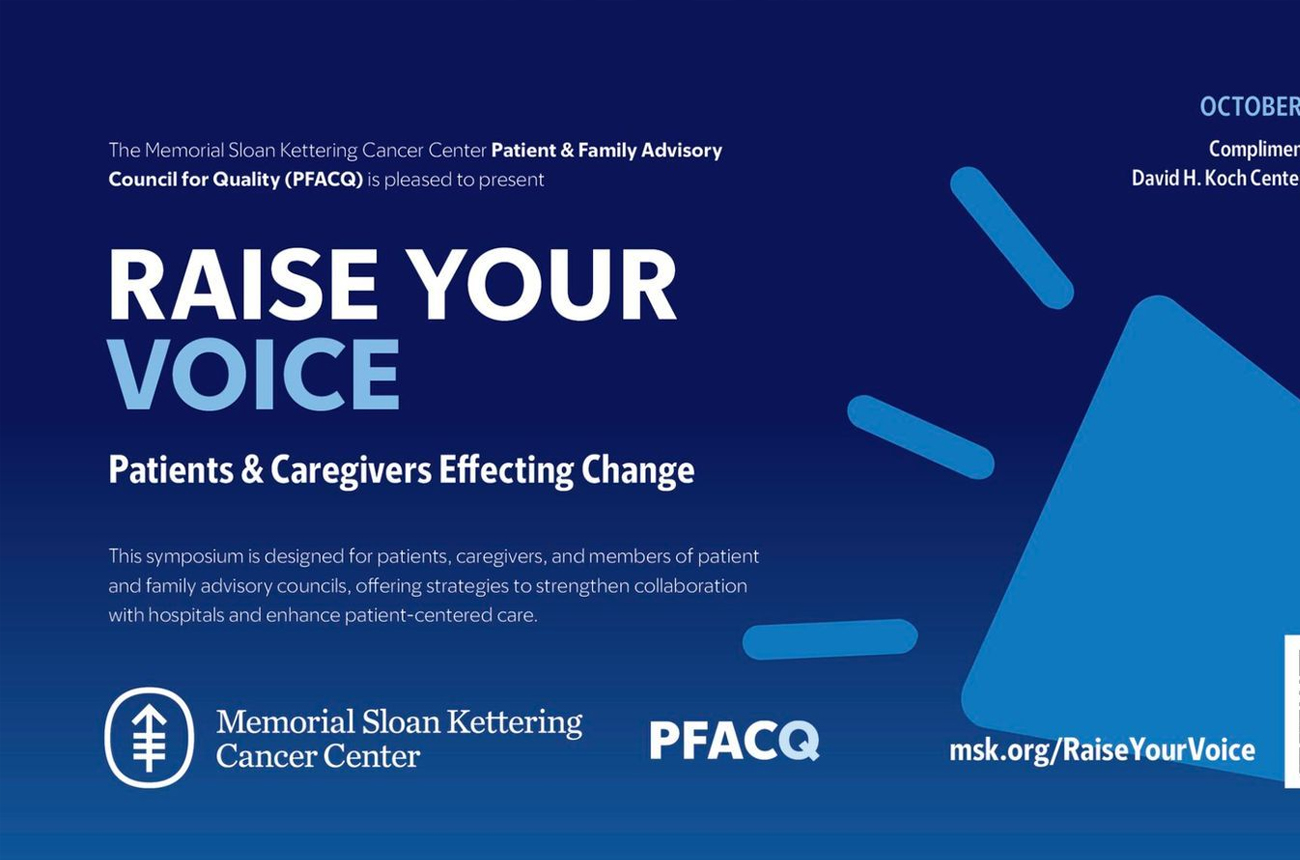
We’re proud to be part of an incredible event this week exploring the future of sound in healthcare. The Raise Your Voice symposium is designed for patients, caregivers, and members of patient and family advisory councils, offering strategies to strengthen collaboration with hospitals and enhanced patient-centered care.
Join us for the first ever Biophilic Design Conference run by the Journal of Biophilic Design at the Barbican London on 12th November 2024. Moodsonic is delighted to be an official partner, and will be soundscaping the conference to create a supportive, biophilic experience throughout the day.
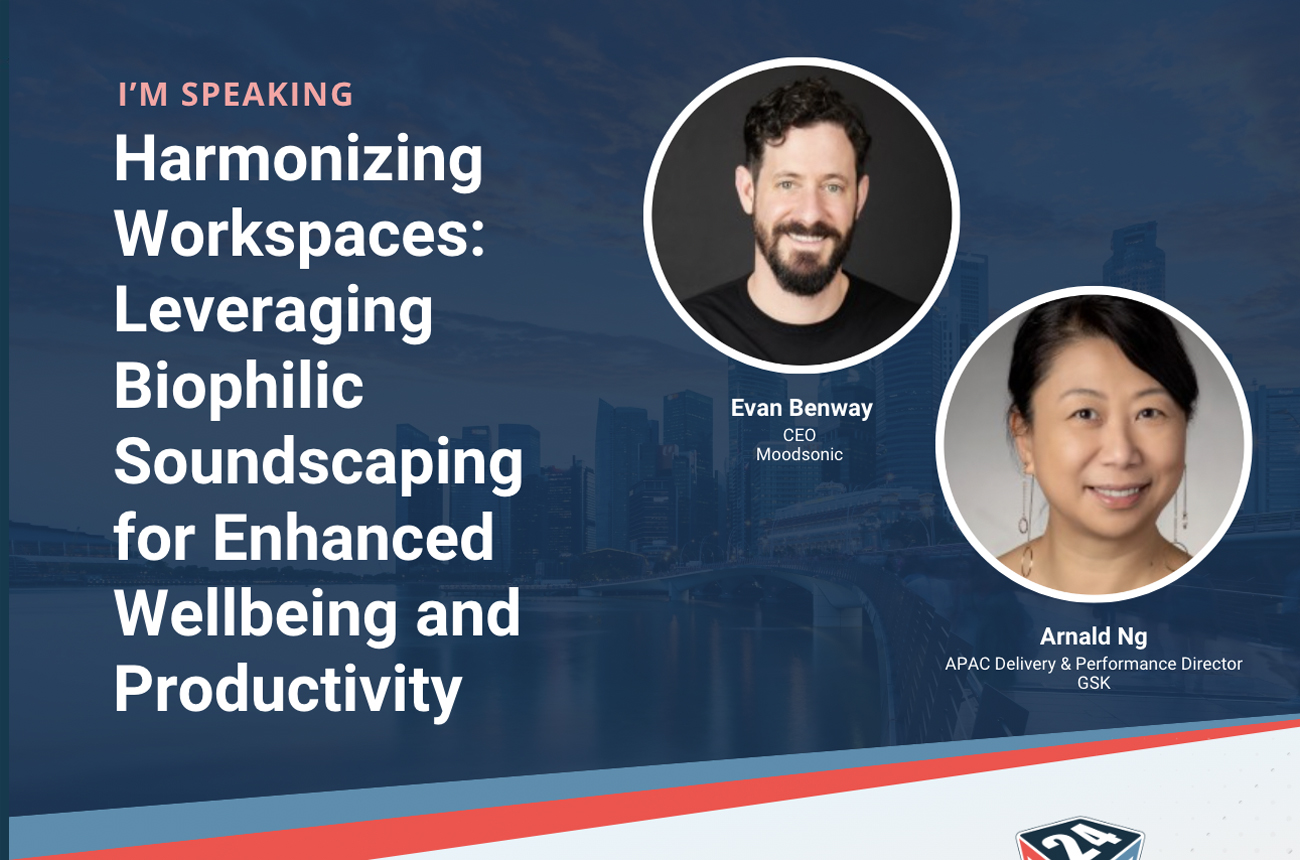
In the evolving landscape of workplace design, sound plays a pivotal yet often overlooked role. Historically perceived as a negative element, our presentation aims to redefine sound as a positive, transformative force in work environments. Anchored in the innovative concept of 'Biophilic Soundscaping', we'll explore how strategic sound design can significantly enhance wellbeing and cognitive performance, leading to more engaging and welcoming spaces.
Moodsonic's Director of Product, Jeff Larson, is speaking at WORKTECH's San Francisco conference about the future of work. Join Jeff as he discusses the role of sound in enhancing workplace productivity, wellbeing and user experience. Uncover why noise is a top distraction, how scientifically-designed soundscapes outperform silence, and the importance of creating tailored auditory experiences that support diverse employee needs.
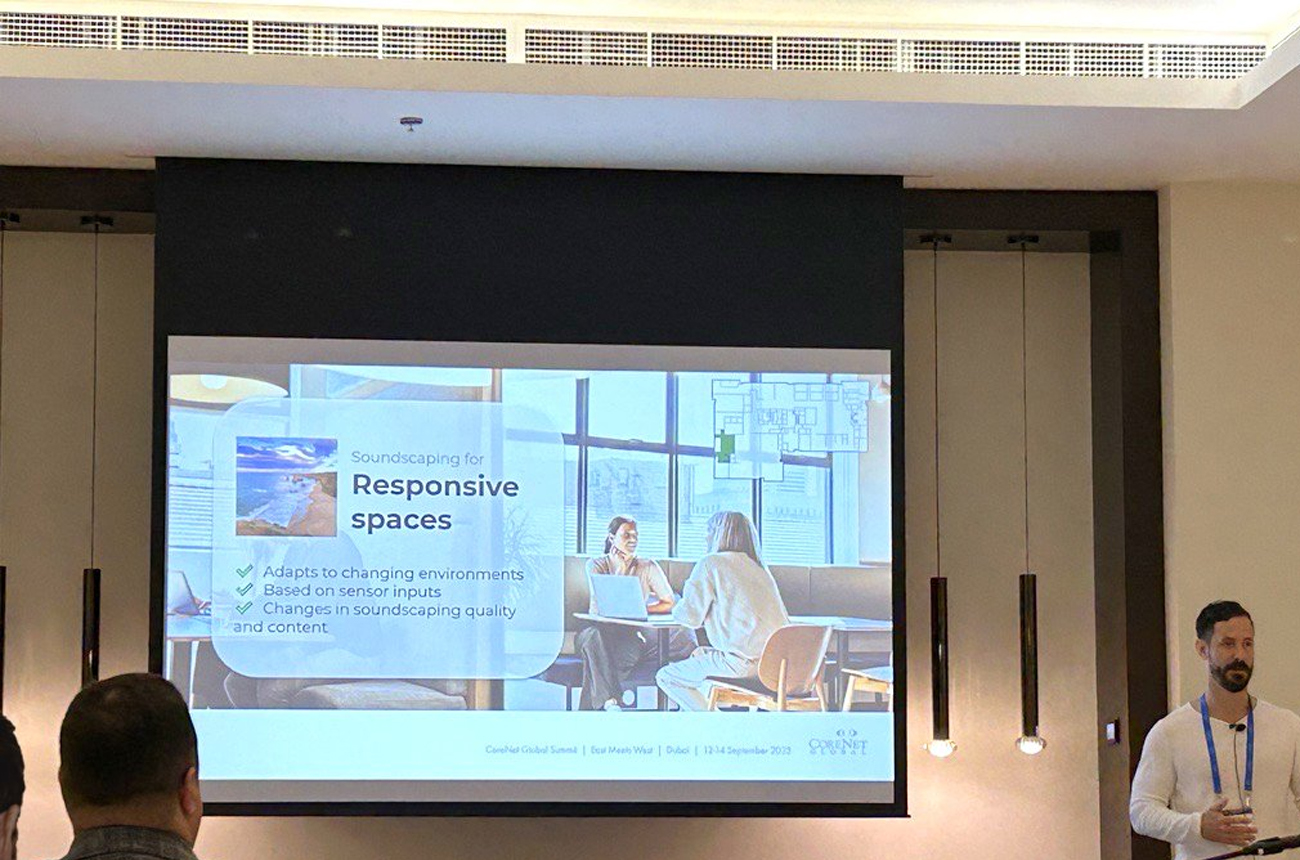
Sound and scent strategies can elevate people’s experiences and help create high-performance buildings. Moodsonic partner Marcus Rose will be speaking at this CoreNet Global event in Sydney about sensory design and the technology that can make it happen.
Workplaces generate more data than ever. But it’s often not bringing clarity, or being used at all. Much of it sits in silos.Occupancy data might tell us how many people are in a space, but not how they’re using it. Is it for quiet focus, collaboration, or a mix of the two?

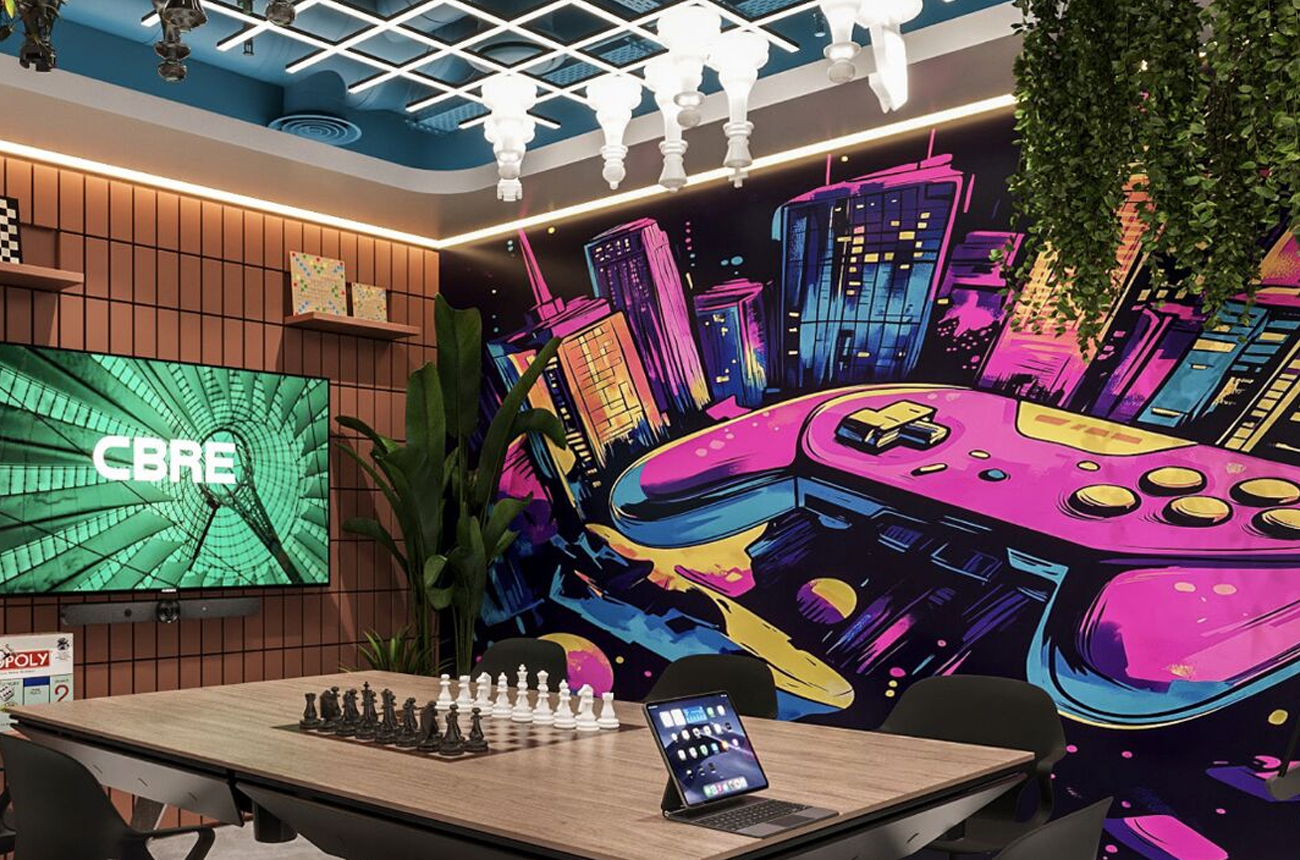
What if your workplace could sense how people are using it and adapt automatically to support them? At CBRE's new Singapore office, sound, data and technology are coming together to create spaces that flex around people’s needs. And Inavate’s latest issue gives insights into exactly how they’re doing it...
The IWBI's new special report, Investing in Health Pays Back, demonstrates that investing in people is good business. It quantifies how wellbeing translates into measurable returns, from air quality and light to thermal comfort and biophilia. Sound has long been recognised in WELL as one of its core concepts. But in this latest report, it takes on a more dynamic role – not just as something to control, but as something to design with.

A new peer-reviewed study in Nature has revealed a significant link between building standards and how people feel in their environments. The research shows that occupants of WELL-certified buildings are 39% more likely to be satisfied with their experience than those in LEED-certified buildings. Both certifications aim to improve building performance, but only one puts human wellbeing at the forefront.The WELL Building Standard focuses on how buildings impact people. And according to this research, that focus makes a difference in human experience.

Sound is architecture we can’t see. It defines spaces and influences behavior as much as light, material, or layout – shaping how we feel, think, and function.Sound may also be the most elusive element in biophilic design, especially in urban environments. Opening a window might let in some birdsong, but it brings with it traffic, construction, and other pollutive noise. Closed windows trap us with the hiss of ventilation or the drone of machinery, devoid of any nature.

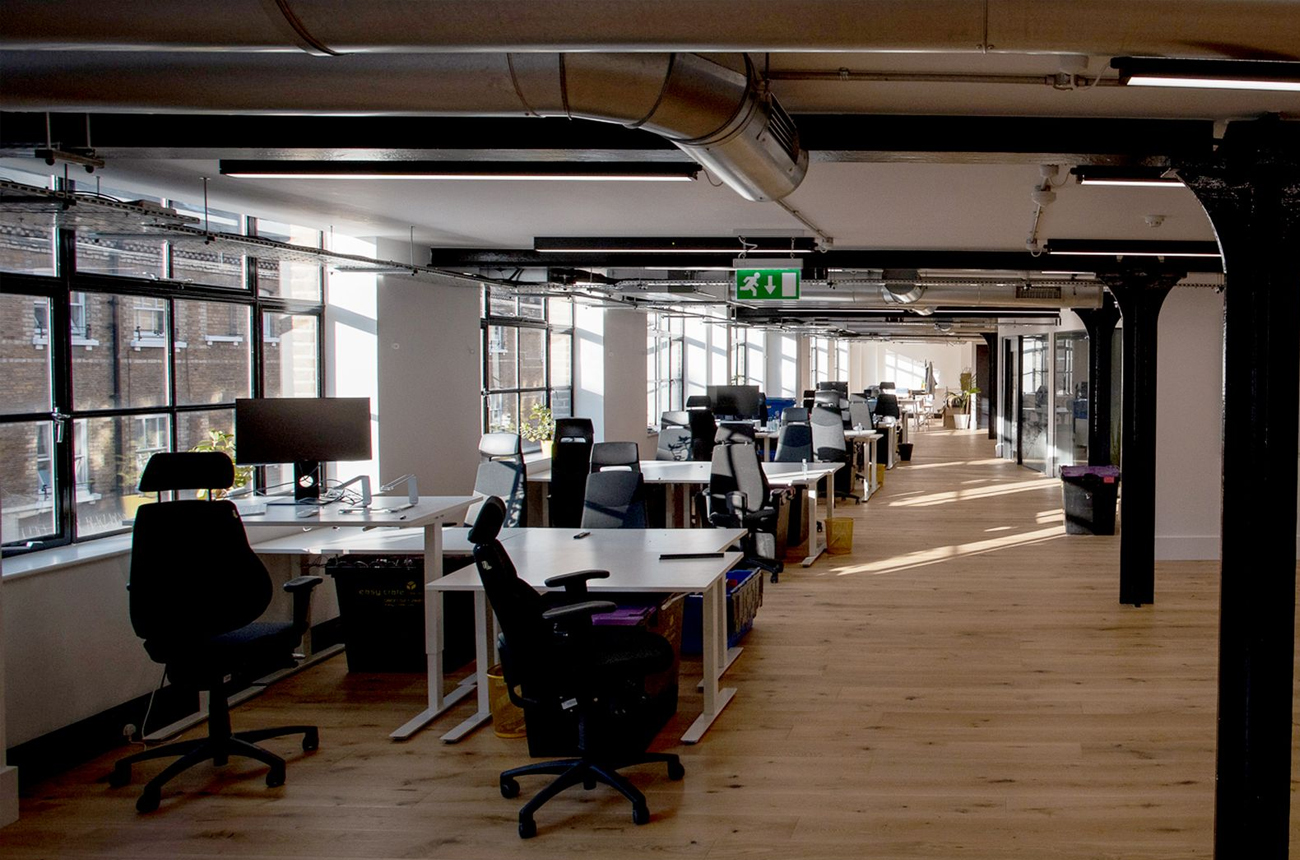
Most offices have a problem with noise. Noise has been a major complaint in workplaces for decades. It affects privacy, distraction and wellbeing. Working from home has only highlighted just how poorly offices function in this regard. Often, employees are able to focus better at home than in the building that’s actually designed for them to work in.Workplace soundscapes are a relatively new concept. Historical approaches to office sound have tended to focus on eliminating sound from offices. But this can cause more problems than it solves. Spaces can end up being unnaturally quiet and devoid of life. It’s become more of a problem post-Covid, where occupancy is much lower than before.
In architecture, the sound of a building is usually overshadowed by its visual appearance. It might even be an afterthought. Yet, as researchers learn more about our relationship with sound, the need for “sonic architecture” is becoming more evident. And with smart building technology, it’s become an accessible tool for designers too.
Humans experience a space through each of their five senses. Take, for example, a visit to the beach. If you were to recollect that memory, you would not just think about the visuals but also about the feeling of sand and breeze against your skin, the taste of salt in the air, the smell of tangy humidity, and the sound of waves hitting the shore.
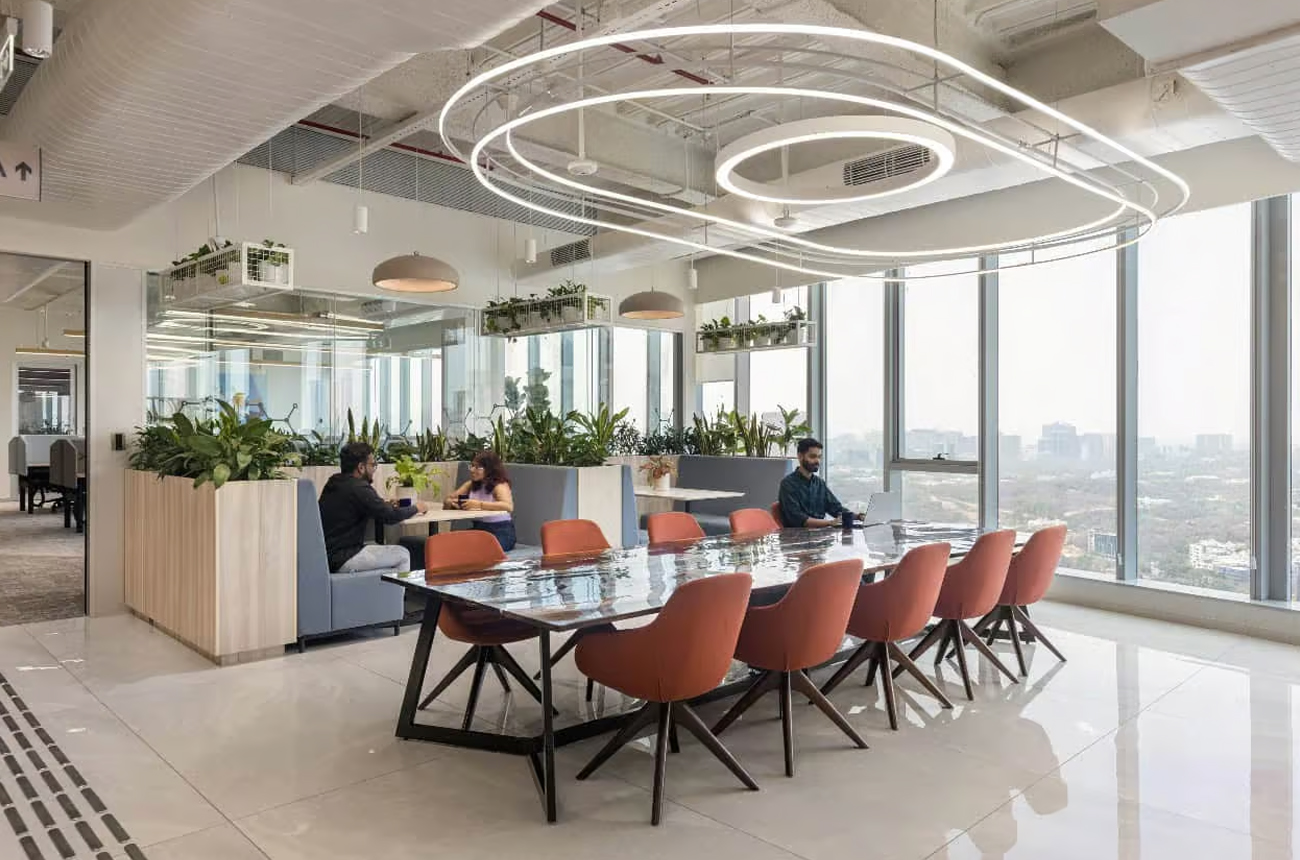
When we think of healthcare design, our minds might immediately focus on efficient layouts, soothing colour schemes or clean lines. But there’s one invisible factor that often gets overlooked in these spaces: sound. Hospitals and healthcare facilities are full of noise. And this noise isn’t inconsequential; it shapes the experience of patients, staff and visitors in profound ways.

There’s something inherently enjoyable about the crashing of waves on a beach, the rhythmic patter of raindrops on leaves, the gurgling of a gentle stream or the rush of a cascading waterfall. The sounds of water are some of the most popular and powerful sounds in the world. But why? And how can we use biophilic design to harness that power to improve people’s health indoors?

We’re proud to announce that our Medibank Wollongong project is a finalist for Best Corporate Facility at the Inavate 2026 Inavation Awards, representing the Asia-Pacific region globally. Delivered by Valeo Technology to create a responsive, biophilic environment that supports focus, recovery, and inclusion.
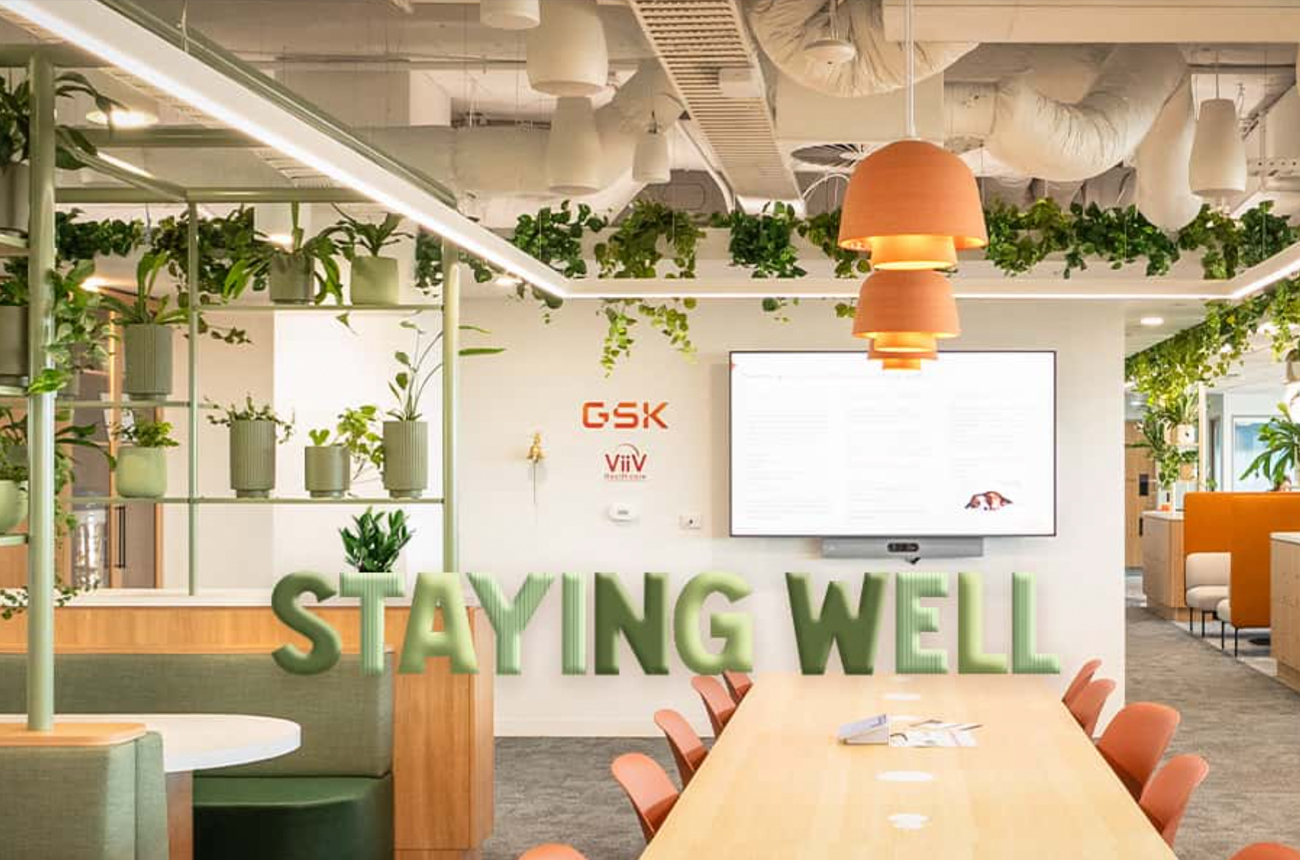
GSK (GlaxoSmithKline) has achieved a Platinum WELL Certification for its Melbourne headquarters, the highest level of recognition from the International WELL Building Institute (IWBI). Going ‘Platinum’ requires advanced initiatives in air and water quality, circadian lighting, biophilic design, and inclusive design that supports neurodiverse staff.One of the standout measures in this project was the deployment of Moodsonic generative soundscaping, represented exclusively in Australia by Valeo Technology.
Two Moodsonic projects were recognized at this year’s Inavate APAC Awards, which celebrate the region’s most innovative audio-visual installations.CBRE Singapore’s Marina Bay Financial Centre won Best Corporate Project, while Sheldon Interiors’ Sydney HQ was a finalist for Best Experience Centre.

Moodsonic, the global leader in generative soundscaping, and Bluesound Professional, a pioneer in networked audio solutions and part of the Lenbrook Group of companies, today announced a strategic partnership to accelerate the global adoption of responsive, intelligent soundscaping across the built environment.

GSK’s new global headquarters set out with the ambitious goal of creating "the world’s healthiest workplace", and we’re proud to have contributed to that. The project recently won Best Smart Building at Integrated Systems Europe (ISE).

GSK’s newly refurbished Melbourne headquarters has not only met but exceeded its ambitious goals for health and wellbeing. It is now one of only a handful of offices in the city to achieve Platinum WELL Certification, the highest recognition awarded by the International WELL Building Institute.
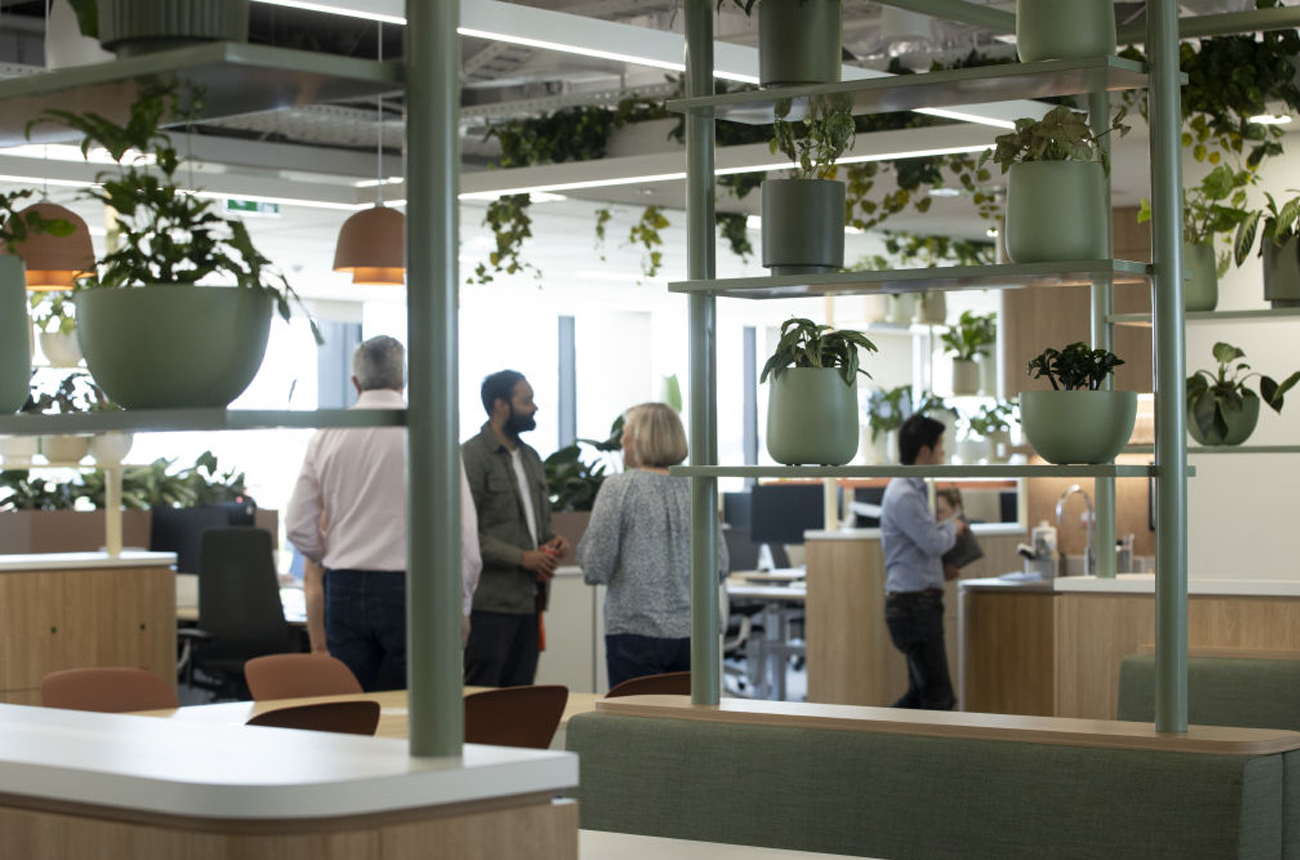
We connected with Moodsonic, winners in the Return to Office category of the 2022 Next Work Environment Competition, to see where their project has taken them!Moodsonic worked with Elevance Health to implement a sensory, experiential return to office strategy. Aimed at the pervasive problem of sound in the workplace, the project gave employees control to offer quality experiences that surpass work from home.
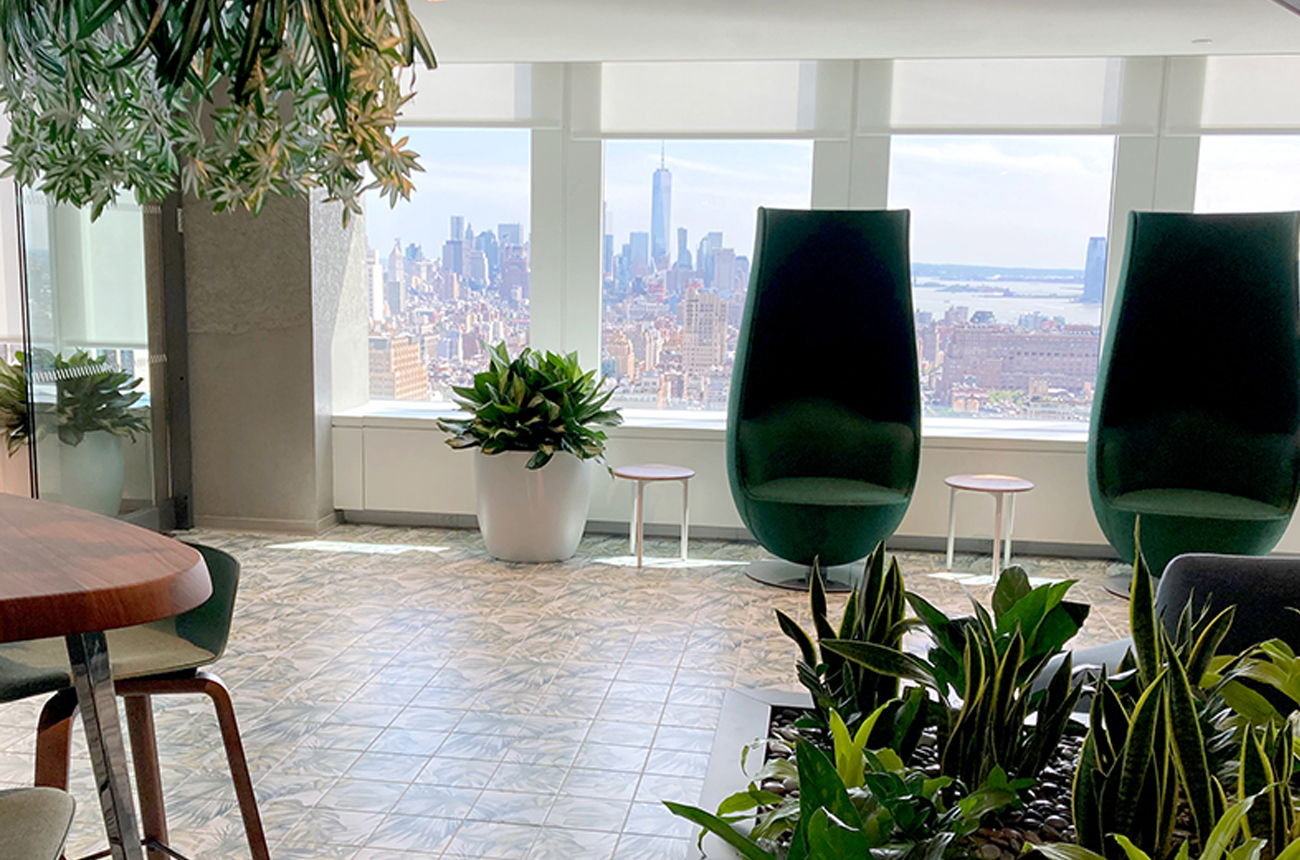
Designed by M Moser Associates, the headquarters was conceived as a dynamic “destination” workplace to support GSK’s hybrid teams and evolving business needs. The design brings together localized character with global brand standards, creating a flexible, inclusive, and data-driven environment that empowers collaboration, connection, and performance.