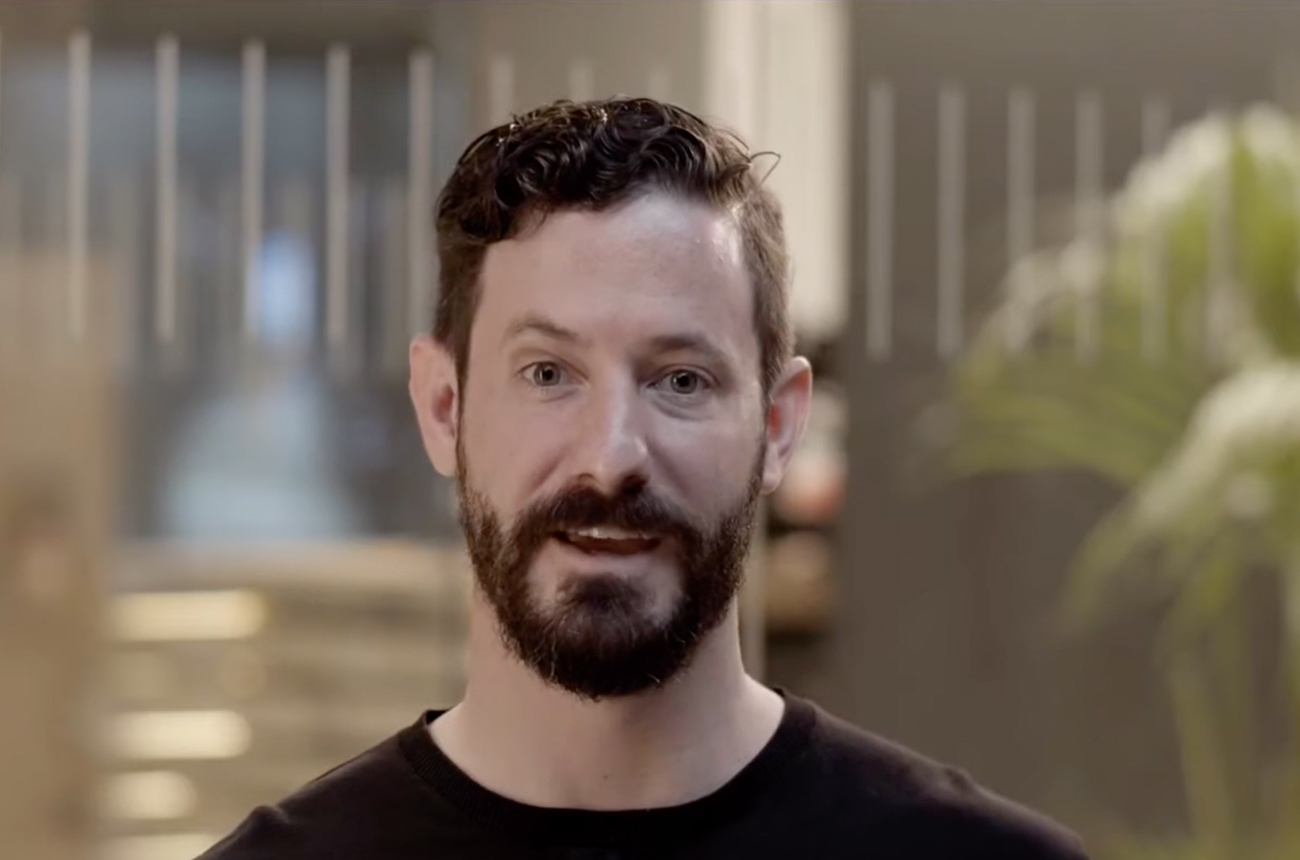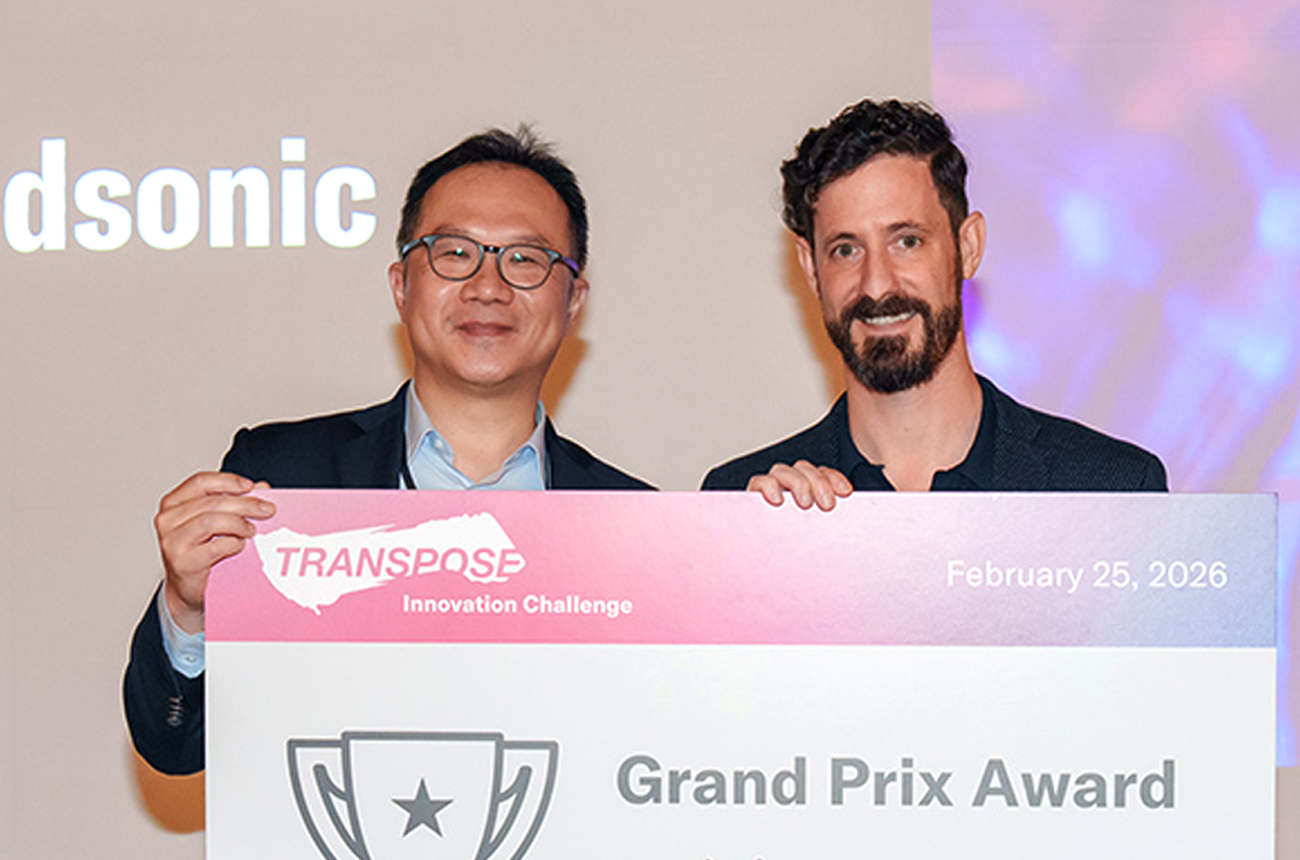

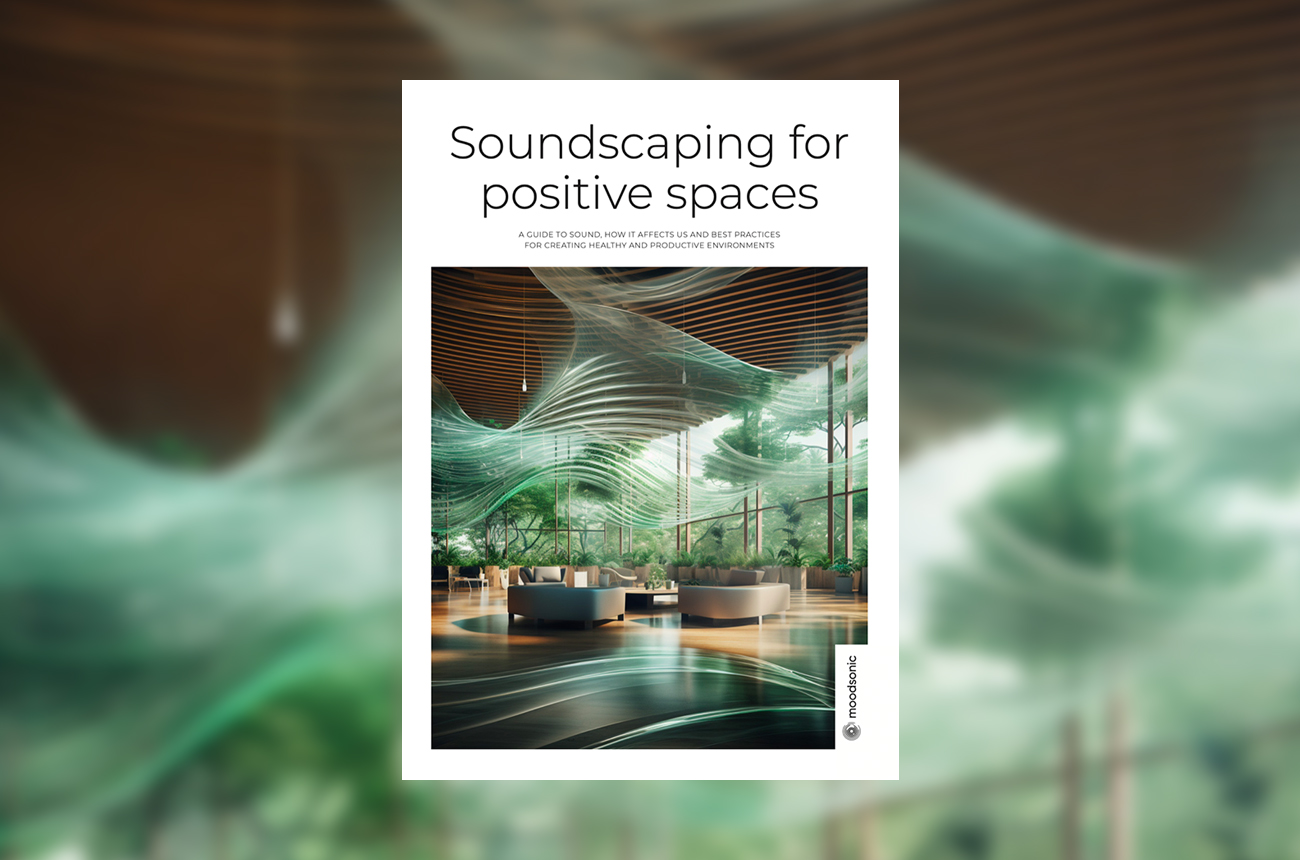
We connected with Moodsonic, winners in the Return to Office category of the 2022 Next Work Environment Competition, to see where their project has taken them!Moodsonic worked with Elevance Health to implement a sensory, experiential return to office strategy. Aimed at the pervasive problem of sound in the workplace, the project gave employees control to offer quality experiences that surpass work from home.


Moodsonic's Director of Product, Jeff Larson, is speaking at WORKTECH's San Francisco conference about the future of work. Join Jeff as he discusses the role of sound in enhancing workplace productivity, wellbeing and user experience. Uncover why noise is a top distraction, how scientifically-designed soundscapes outperform silence, and the importance of creating tailored auditory experiences that support diverse employee needs.
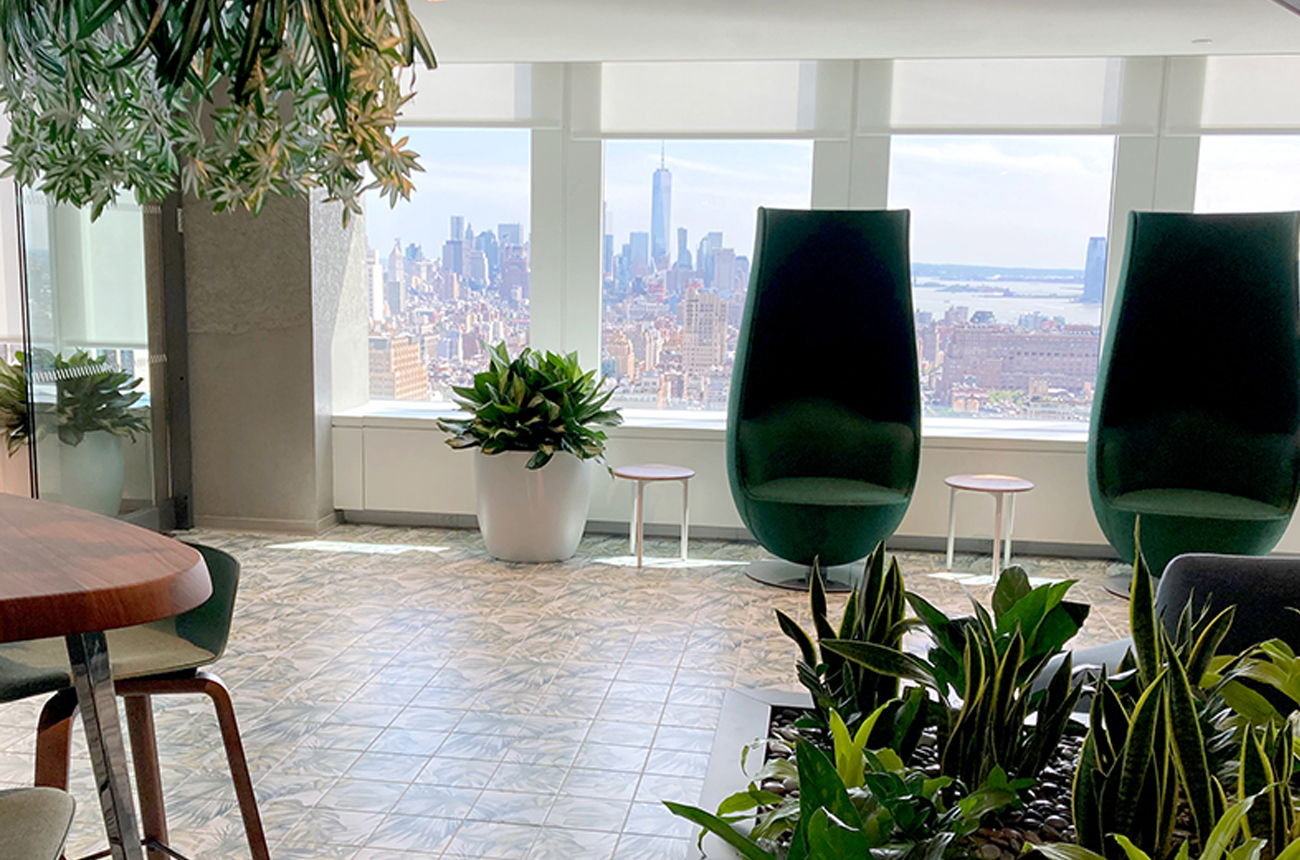
Next time you’re in an office, take a look around you. Chances are, almost everything you see was designed to look that way. Someone has taken the time to consider the colour of the walls, the door handles, the furniture, the lighting…Now think about the sounds you typically hear in the space. If you’re lucky, you might hear birds singing outside or a pleasant babble of background activity. But for most people, the sound in their workplaces is a stress-inducing mix of man-made noise like air-conditioning, traffic, and construction, punctuated by other people’s conversations and endless notifications. It’s accidental, undesigned, and unhealthy.

Most offices have a sound problem... but that’s probably not news to you. Sound has been the number one complaint about workplaces for many years. For many employees, working from home has highlighted just how poorly offices function in this respect. So why hasn't anything been done?

Sound and scent strategies can elevate people’s experiences and help create high-performance buildings. Moodsonic partner Marcus Rose will be speaking at this CoreNet Global event in Sydney about sensory design and the technology that can make it happen.
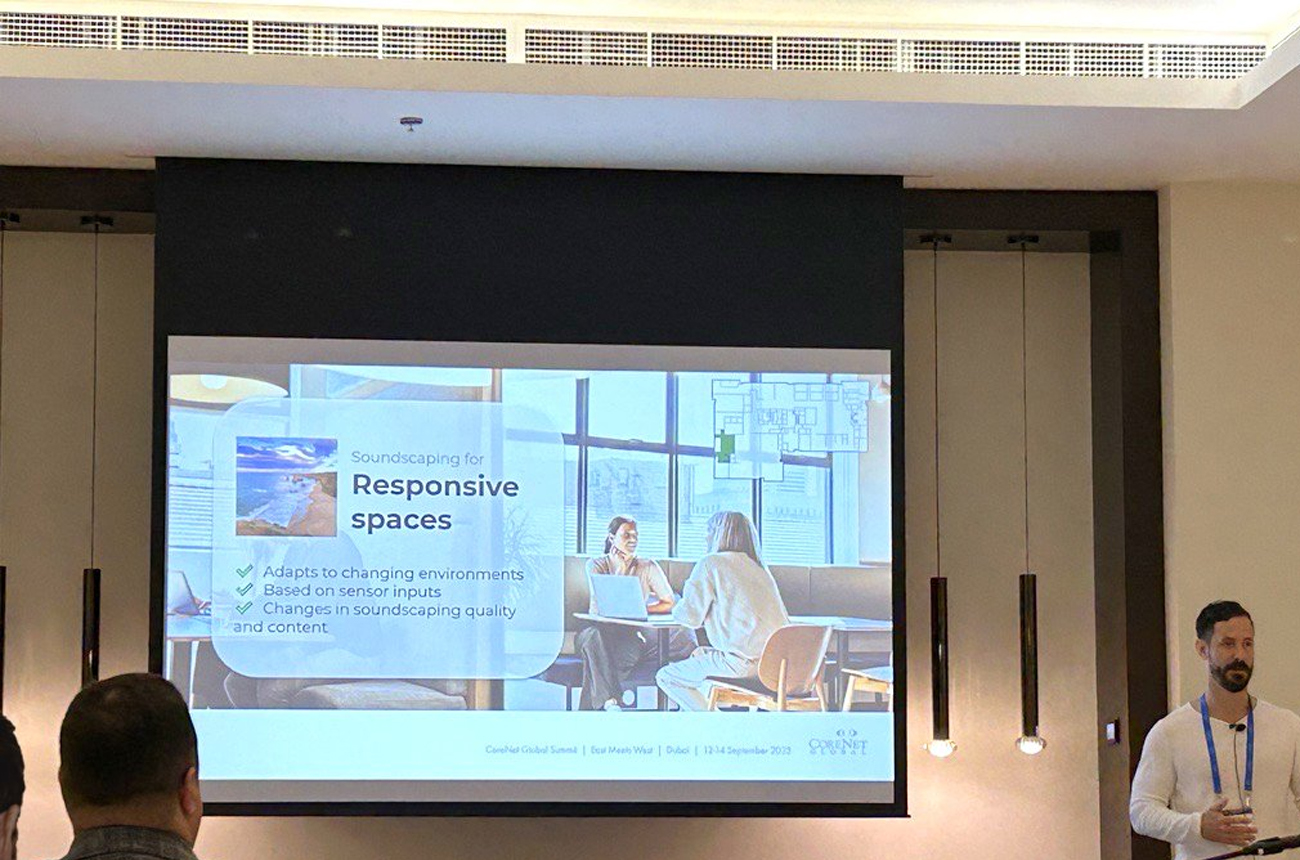
Soundscaping and generative technology can transform workplace in the Middle EastCreating work environments that attract employees means rethinking how these spaces look. A modern office should be a place that invites people to be comfortable and at their creative best.

In recent years, the world’s media been awash with Covid-19 coverage. So it’s not surprising that, as well as the obvious health and economic impacts, the pandemic is having a profound effect on our psychology: over a third of Americans report that coronavirus is seriously impacting on mental health. At a time when wellbeing has never been more important, it’s also becoming increasingly hard to preserve our mental health.

We're at a whole host of events in Asia over the next few weeks! As part of that, we're taking part in MTM Solutions' Workplace Experience Chit-Chat events in Hong Kong and Singapore. Each session is seven minutes from seven speakers, each with a unique take on workplace experience.

Moodsonic is built on a very simple concept: Natural sound is inherently healthy and productive for humans. We feel our best when we’re in natural environments, and bringing natural sound indoors has been shown to reduce stress and improve cognitive output. However, there’s a lot of innovation required to bring this idea to life. Simply playing a birdsong track inside an office isn’t going to help people – in fact, you’ll make things worse for users.One of the most important innovations for Moodsonic has been the creation of generative, responsive soundscaping. We discovered early on that soundscaping can’t be delivered into offices as loops. Humans are very good at recognizing patterns. Even when we tested audio loops that were a week long people still picked up on them!

The Biophilia Summit is Living Future Europe’s annual international conference dedicated to advancing the theory, practice and future of biophilia. Moodsonic's Evan Benway is delivering a speech as part of the summit's agenda: "Biophilic Soundscaping at Scale: From Research to Responsive Buildings". Now in its fourth edition, the Summit brings together researchers, designers, architects, developers, manufacturers, educators, artists, policymakers and innovators who share a common ambition: strengthening the relationship between people and nature to create healthier, more resilient and regenerative futures.
We’re excited to be a part of Design Week Calgary. As part of this year’s program, DIALOG is hosting an in-studio panel exploring sound as a design material and its impact on wellbeing, focus, productivity, and inclusion in the workplace.

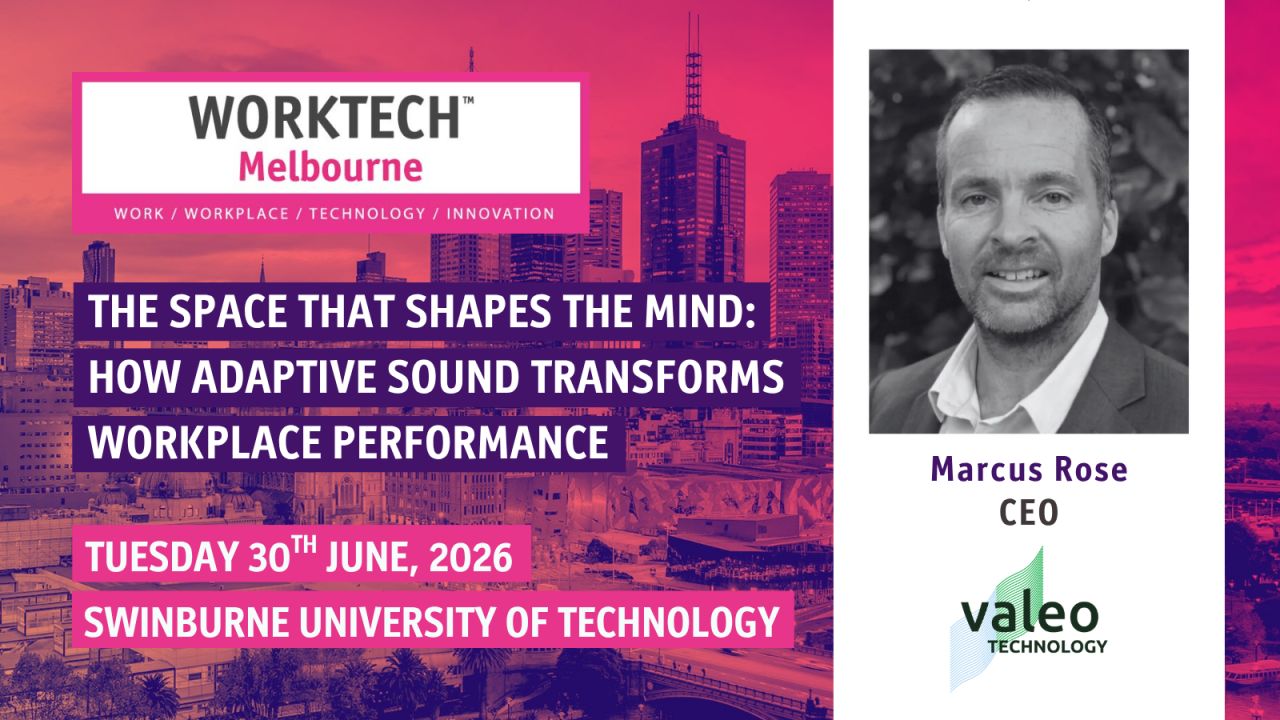
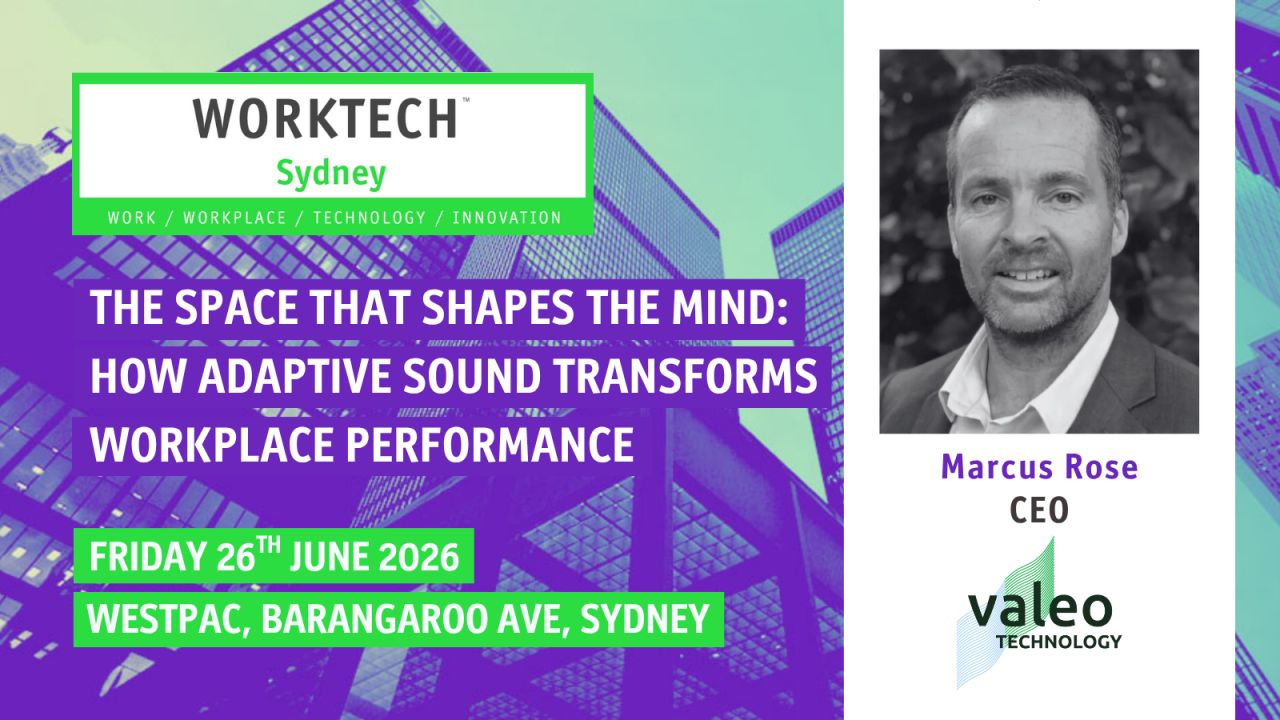
At WORKTECH26 Sydney, Marcus Rose, CEO of Valeo Technology, explores how adaptive soundscaping and sensory technology are reshaping workplace experience. In his session, Marcus will examine how intelligent sound environments respond in real time to support focus, collaboration and wellbeing. Drawing on projects across APAC, the session looks at the neuroscience of sound and why auditory experience may be one of the most overlooked dimensions of workplace design. Take a look at the full conference agenda to read more about this session & the wider programme.
TED2026 is live in Vancouver this week – with talks, the debates, and a renowned concentration of new ideas. The Listening Room is a dedicated space for restoration and decompression, created for attendees who need to step away and reset.

Join thought leaders from HOK, Visa, EY, and Moodsonic at this Infocomm 2026 session. As organizations strive to create environments that support all employees, designing for sensory processing and neuroinclusion has become critical. Technology, when thoughtfully applied, can transform workplaces and public spaces into environments that empower neurodiverse individuals to thrive. But there are downsides as well that we need to be aware of and address.
Moodsonic is heading to ISE 2026 to unveil the next chapter in intelligent soundscaping — and it’s our biggest launch to date.Join us at Booth CS503 (Innovation Park, Level 0) to experience our new integrated soundscaping platform alongside the debut of Moodsonic Powered by Bluesound Professional hardware solutions.

Buildings can be too quiet. Speech privacy is a top priority for employees and a legal stipulation in some environments. Biophilic soundscapes can improve speech privacy with equal or greater success to conventional masking, with additional wellbeing benefits.

Real-estate portfolios lose billions of dollars every year through lost productivity, health, sales, and satisfaction due to noise and ineffective audio experiences. Soundscaping can combine human and space centric goals to improve a CRE portfolio’s commercial performance.

Unpleasant background noise damages talent retention by lowering employees’ job satisfaction and commitment, research shows. Biophilic workplace soundscapes masks noise pollution and promotes quality of life and healthy workplace design, which are deciding factors for your prospective employees.

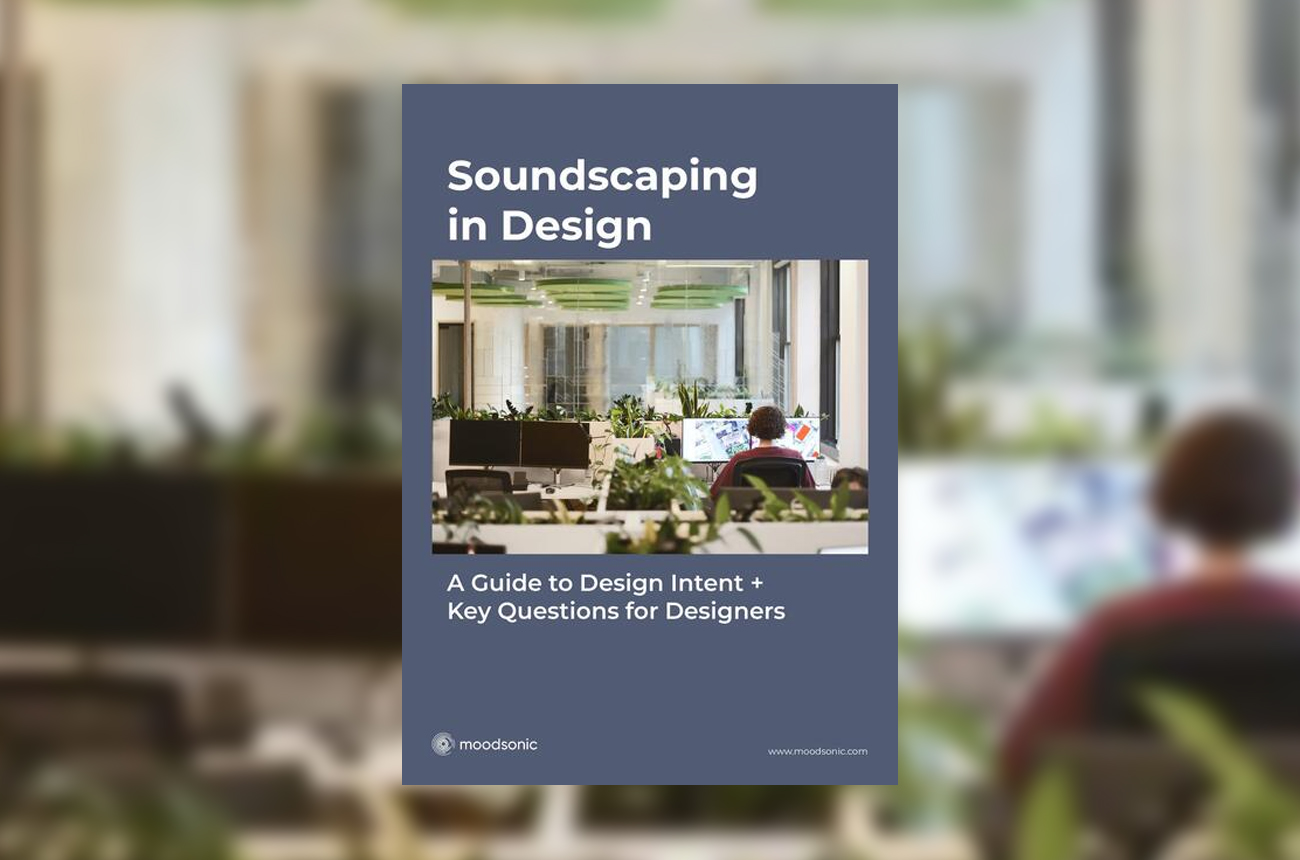
As biophilic design for the ears, employing natural soundscapes can bring building occupants closer to nature.If you’re indoors right now, take a look around. The chances are, everything you can see was designed to be that way – from the door handles to the color on the walls. Now think about the soundscapes you typically encounter indoors.

In recent years, the value of neurodivergent employees has started to be properly recognised. But we have a long way to go in designing equitable workplaces that nurture different types of people and personalities day-to-day.
Of all the buildings that can benefit from better sound, healthcare environments often have the most to gain.Soundscaping in age care isn’t commonplace yet. There’s been relatively little research into the subject specifically, but the information we do have suggests that carefully considered soundscapes in care homes and nursing homes could bring real benefits to residents.

In order to understand how soundscaping can improve wellbeing for building users, it’s first important to consider the context: noise. We now spend over 90% of our time indoors. Unfortunately, most of these spaces have not been designed to accommodate our innate responses to sound.

Our sense of hearing is incredibly powerful. It’s no wonder really, because our ears are the product of hundreds of millions of years of evolution. They can pick up on tiny sonic clues in our surroundings that instantly tell us whether a space is safe, comfortable and restorative.

We’re proud to announce that our Medibank Wollongong project is a finalist for Best Corporate Facility at the Inavate 2026 Inavation Awards, representing the Asia-Pacific region globally. Delivered by Valeo Technology to create a responsive, biophilic environment that supports focus, recovery, and inclusion.
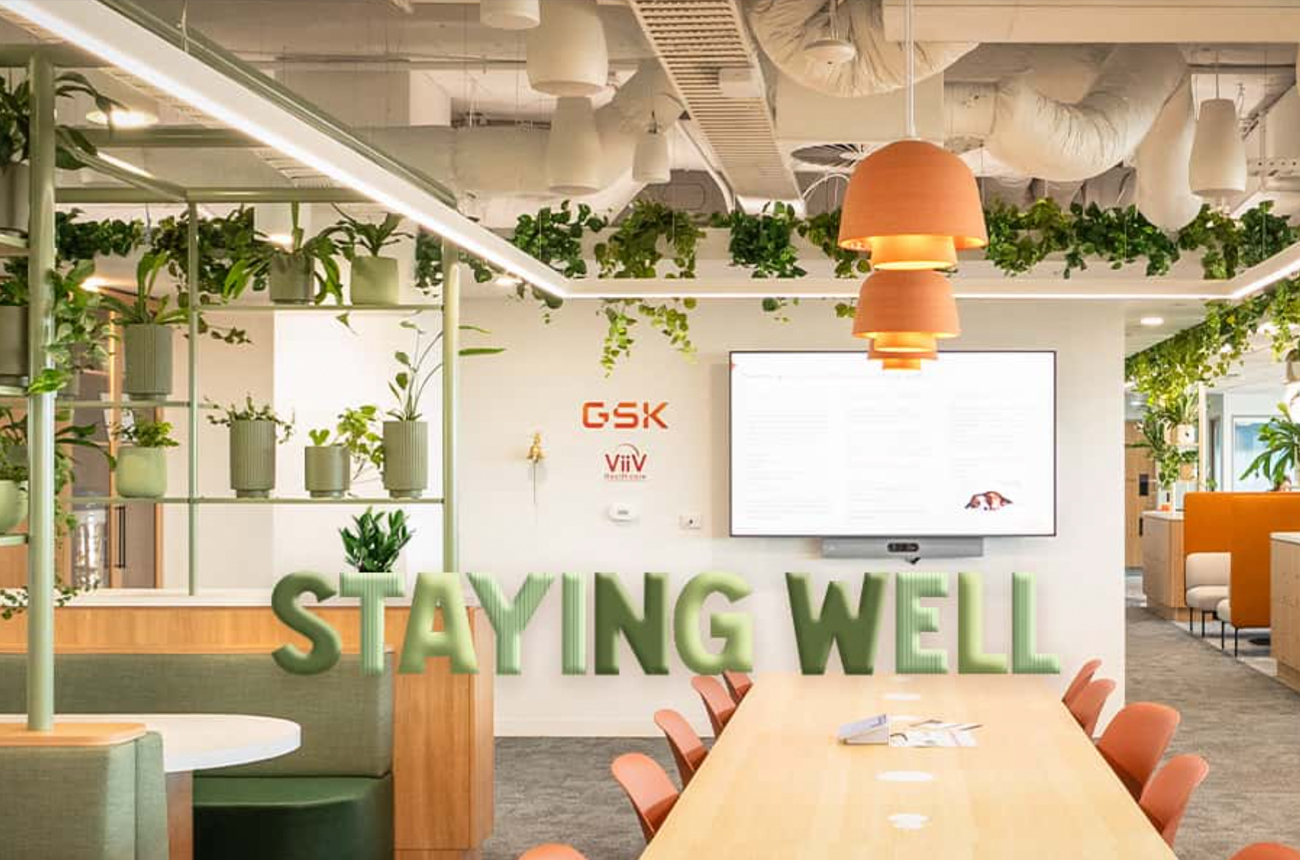
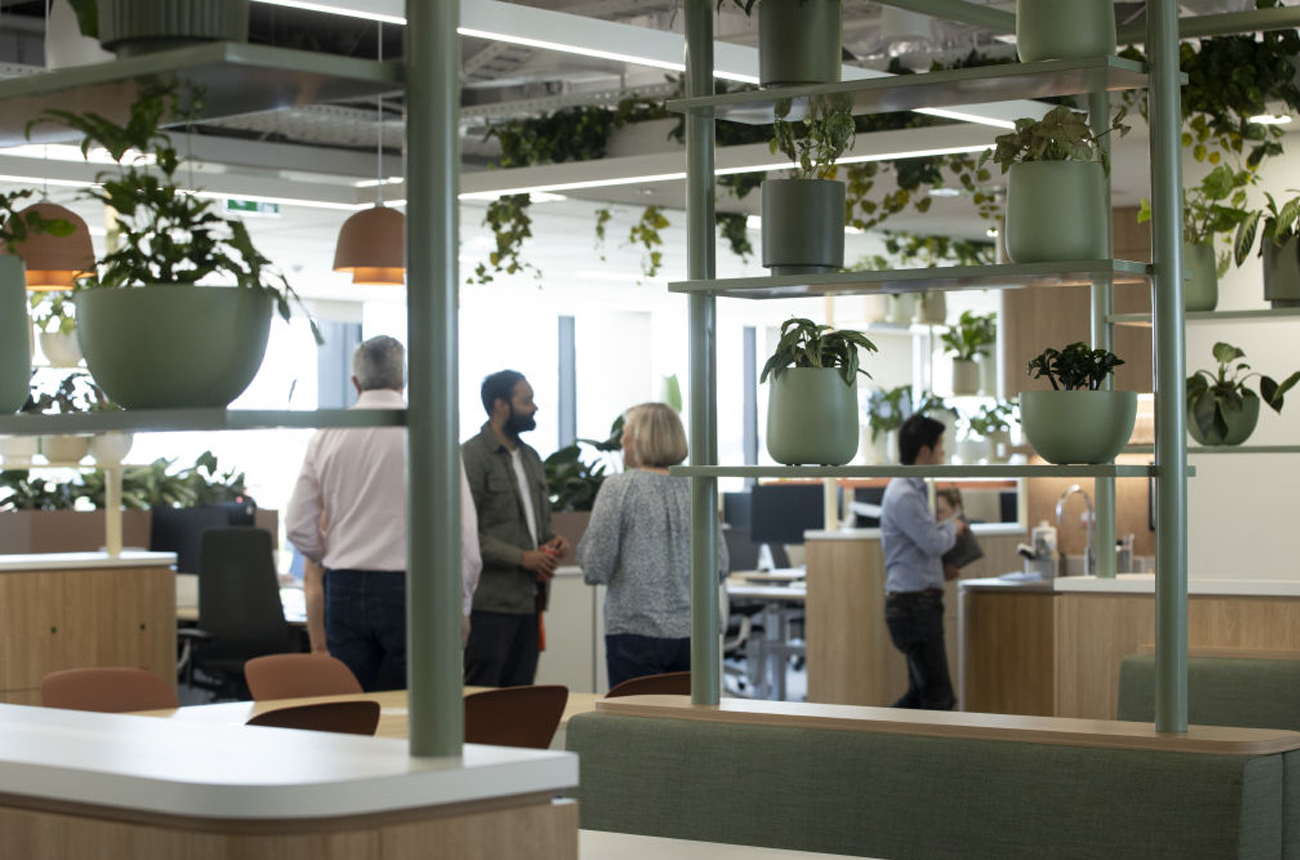
GSK (GlaxoSmithKline) has achieved a Platinum WELL Certification for its Melbourne headquarters, the highest level of recognition from the International WELL Building Institute (IWBI). Going ‘Platinum’ requires advanced initiatives in air and water quality, circadian lighting, biophilic design, and inclusive design that supports neurodiverse staff.One of the standout measures in this project was the deployment of Moodsonic generative soundscaping, represented exclusively in Australia by Valeo Technology.
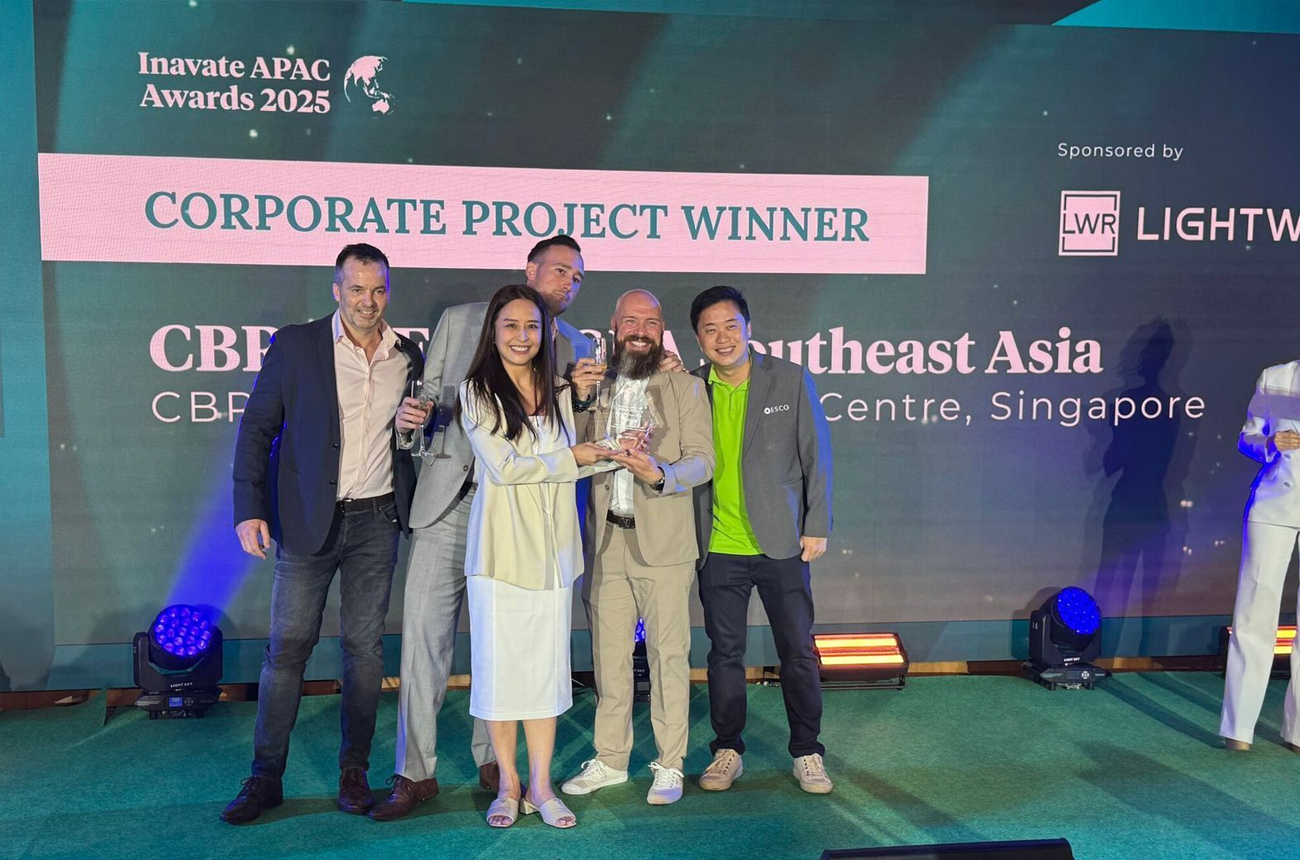
Two Moodsonic projects were recognized at this year’s Inavate APAC Awards, which celebrate the region’s most innovative audio-visual installations.CBRE Singapore’s Marina Bay Financial Centre won Best Corporate Project, while Sheldon Interiors’ Sydney HQ was a finalist for Best Experience Centre.
Moodsonic, the global leader in generative soundscaping, and Bluesound Professional, a pioneer in networked audio solutions and part of the Lenbrook Group of companies, today announced a strategic partnership to accelerate the global adoption of responsive, intelligent soundscaping across the built environment.

GSK’s new global headquarters set out with the ambitious goal of creating "the world’s healthiest workplace", and we’re proud to have contributed to that. The project recently won Best Smart Building at Integrated Systems Europe (ISE).

GSK’s newly refurbished Melbourne headquarters has not only met but exceeded its ambitious goals for health and wellbeing. It is now one of only a handful of offices in the city to achieve Platinum WELL Certification, the highest recognition awarded by the International WELL Building Institute.
We connected with Moodsonic, winners in the Return to Office category of the 2022 Next Work Environment Competition, to see where their project has taken them!Moodsonic worked with Elevance Health to implement a sensory, experiential return to office strategy. Aimed at the pervasive problem of sound in the workplace, the project gave employees control to offer quality experiences that surpass work from home.
Designed by M Moser Associates, the headquarters was conceived as a dynamic “destination” workplace to support GSK’s hybrid teams and evolving business needs. The design brings together localized character with global brand standards, creating a flexible, inclusive, and data-driven environment that empowers collaboration, connection, and performance.